The Beautiful Battlefield Behind Fashion Content
Fashion show photography looks glamorous from the outside. The final image is clean, sharp and elegant. The final reel feels effortless. The model looks powerful, the outfit moves beautifully, and the stage feels controlled.
But the reality behind that content is completely different. The photographer is often squeezed between guests, stage barriers, other media teams, unpredictable lights and a runway moment that will never happen again. The videographer is trying to create cinematic movement while people pass in front of the frame, models move fast, music changes and coordinators rush the backstage flow.
At shows like T10 Fashion Show by Nemara International Group, SAM Studio photographers and videographers handle the real battlefield of fashion content creation: runway, backstage, designer details, model energy, audience reactions, quick highlights and social-ready delivery.
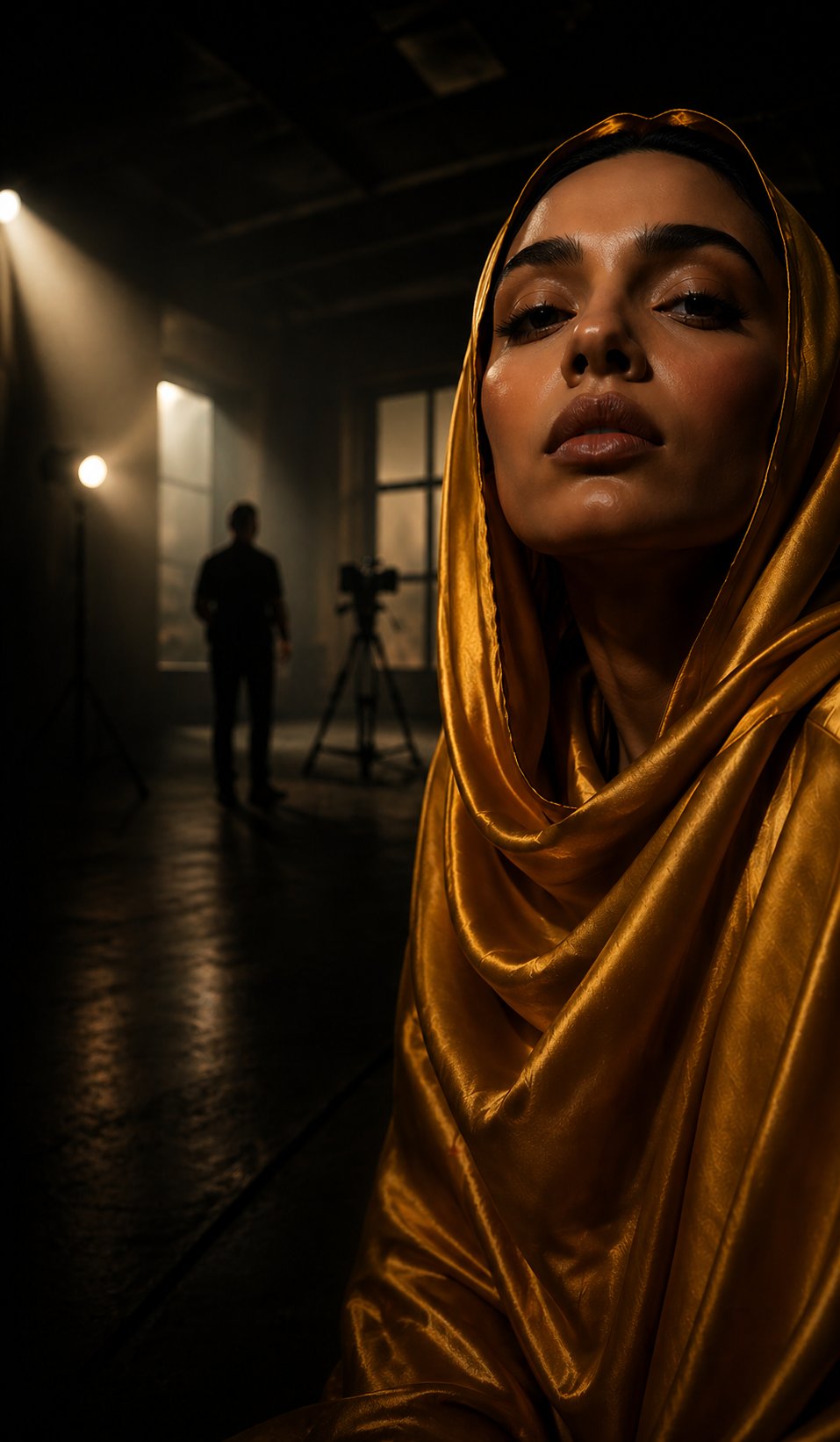
1. Photographing Models on the Runway
Runway photography is high-speed precision. The model walks once. The garment moves once. The expression appears once. There is no retake, no second chance and no “can you do that again?” moment.
A runway photographer must read the model’s rhythm before the model reaches the best shooting point. The photographer has to predict the foot placement, fabric movement, head angle, eye-line, shoulder position and the moment where the outfit looks alive.
- The model walks once.
- The moment never repeats.
- The lighting may change without warning.
- The audience may block the frame.
- The photographer must still deliver sharp, usable content.
Photographers must predict movement, understand garment flow, capture eyes, posture and emotion, shoot through distractions and handle unpredictable lighting. A single missed beat can mean a lost shot.
What the photographer is calculating in real time
2. Lighting Challenges
Fashion shows rarely offer perfect lighting. Sometimes the runway has harsh spotlights. Sometimes the face is bright and the outfit is dark. Sometimes blue, red or magenta LED floods destroy natural skin tones. Sometimes the model walks from a dark entrance into a bright spotlight in less than two seconds.
The photographer has to react instantly. There is no time to stop and test. Decisions are made while shooting.
Common Lighting Problems
- Harsh spotlights
- Uneven stage brightness
- Mixed color temperatures
- Red or blue LED floods
- Fast-moving subjects
- Overexposed faces and dark garments
Professional Quick Decisions
- Switch shutter speed on the fly
- Adjust ISO instantly
- Use burst shooting at the right moment
- Lock or control white balance
- Shoot RAW to protect detail
- Expose carefully for skin and fabric
3. The Dance Between Photographer & Model
A great runway shot is not created by the photographer alone. It is a silent cooperation between model and camera.
The model maintains eye-line. The photographer predicts the pose. Both sync with rhythm. When the model understands light, posture, movement and timing, the content becomes dramatically stronger.
SAM Studio trains and guides models to understand camera-friendly movement, including:
- Freezing micro-poses at the end of a walk.
- Holding neck elongation without stiffness.
- Controlling blinking during camera-heavy moments.
- Giving shoulder angle, jawline and clean posture.
- Understanding when to connect with the lens.
- Knowing how to show the outfit without overacting.
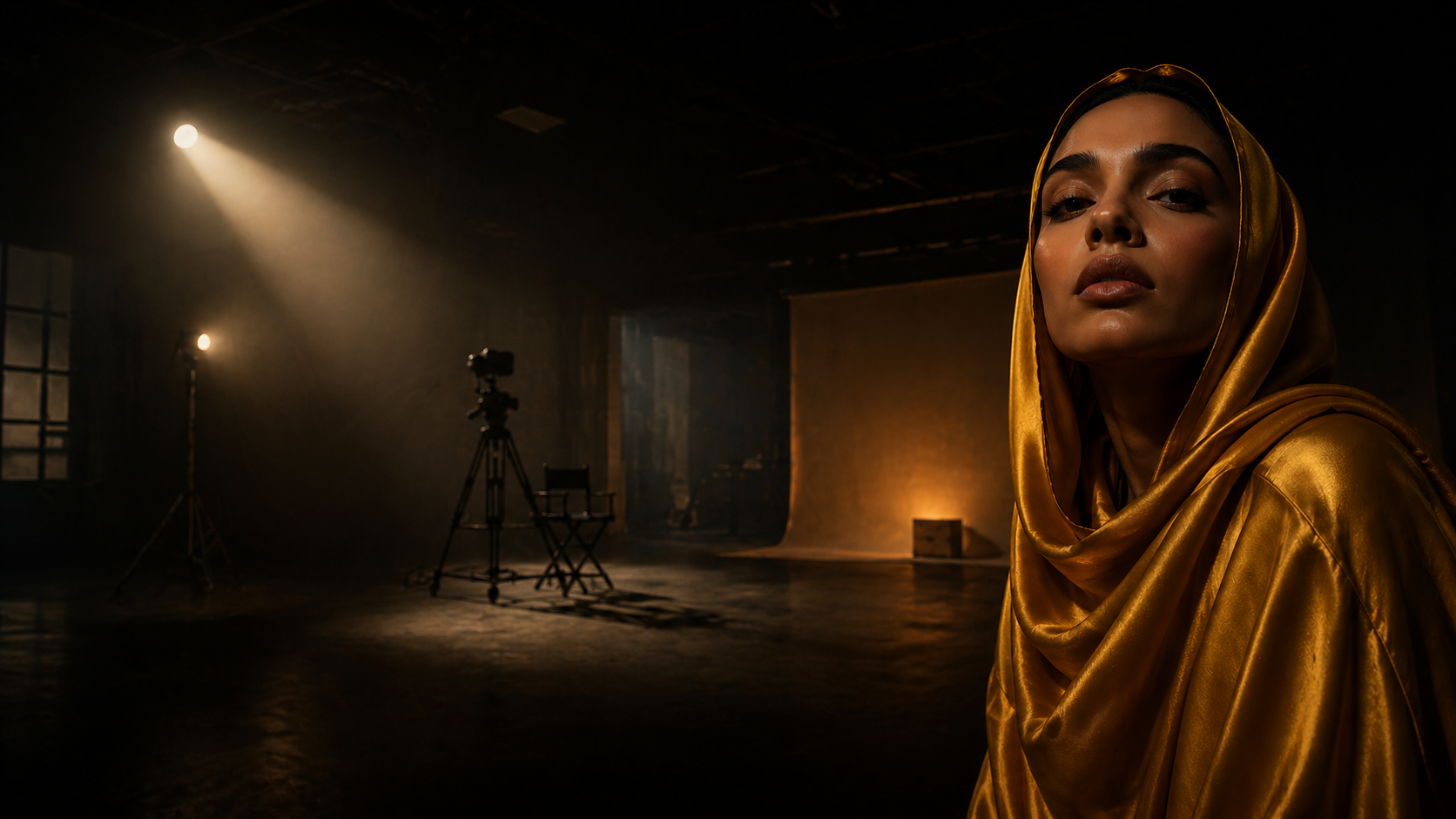
4. The Videographer’s Position
Videographers are not just recording. They are creating cinematic storytelling in real time.
A runway video must feel smooth, intentional and emotional. It needs movement, rhythm, framing and atmosphere. The videographer must decide when to stay wide, when to move close, when to track the model, when to capture backstage, and when to focus on details like hands, shoes, fabric and faces.
Runway Video Responsibilities
- Track model movement smoothly
- Keep framing dynamic
- Capture wide and close angles
- Record backstage interactions
- Produce highlight reels
- Sync footage with music
What Makes a Reel Strong?
- A strong opening frame
- Clean model movement
- Designer and garment details
- Backstage energy
- Audience atmosphere
- A memorable final shot
5. Common Mistakes That Ruin Runway Content
Fashion shows are unforgiving. Small mistakes become obvious very quickly, especially when the content is used for social media, press, sponsors or designer portfolios.
Professional setups avoid these issues through preparation, proper lens choice, camera settings, runway positioning, backup equipment and an editing workflow that protects quality.
6. Professional Setups That Make a Difference
Gear does not replace skill, but in fashion show production, the right setup can save the shot.
7. The Pressure of Same-Day Delivery
Fashion shows move at social media speed. The event happens tonight, but the content is expected almost immediately.
Designers want images to post. Models want runway clips. Organizers want highlight reels. Sponsors want proof of visibility. Media teams want selects. Everyone wants content fast — and they want it to look premium.
Same-day reels, next-morning galleries, instant backstage photos, short-form videos and delivery packages require a fast editing workflow, presets, color-grading templates, high-speed export and zero room for error.
8. Credits, Tagging & Social Media Reality
A photographer’s biggest heartbreak is not always a missed shot. Sometimes it is seeing amazing work posted without credit, cropped badly, screenshotted in low quality or used commercially without permission.
In fashion content, credit matters because many people contribute to the final image: models, designers, stylists, makeup artists, hairstylists, photographers, videographers, organizers and brands.
- Photographers should be tagged when their work is posted.
- Models should receive clear guidance on how to repost properly.
- Brands should avoid using screenshots instead of original files.
- Commercial use should be agreed clearly.
- Content credits should respect the full creative team.
9. SAM Studio’s Fashion Show Content Workflow
SAM Studio approaches fashion show photography and videography with a balance of creativity and production discipline. The goal is not only to capture beautiful content, but to deliver content that can actually be used by brands, designers, models and organizers.
- Pre-event briefing for key moments, designer priorities and delivery needs.
- Runway coverage focused on full looks, movement, expression and garment detail.
- Backstage photography that captures atmosphere without disturbing the team.
- Short-form vertical video for reels, stories and launch posts.
- Fast highlight delivery for urgent social media moments.
- Clean editing that respects skin tone, fabric color and brand identity.
- Organized folders for runway, backstage, VIP, designers, models and social clips.
The Untold Reality: Beauty Under Pressure
Fashion show photography and videography are not only about cameras. They are about speed, instinct, respect, positioning, patience, stamina and the ability to create order inside chaos.
The final shot may look calm, but behind it is a photographer calculating exposure, movement, timing and emotion in a fraction of a second. The final reel may feel effortless, but behind it is a videographer building a story while the room is moving around them.
That is the untold reality through the lens: fashion content is built in pressure, but remembered as beauty.
Need runway photography, backstage content or cinematic fashion show reels?
SAM Studio provides fashion show photography, videography, backstage content, same-day highlights, model portfolio support and production coverage in Abu Dhabi and across the UAE.
Comments
Edmond Rippin
reinigung