Key takeaways
- Choose each portfolio look for the job it does in your book, not because it is trending.
- Plan three distinct looks: a clean natural base, a polished commercial beauty look and an editorial statement look.
- Studio lighting changes how finish, lip colour and contour read, so test on camera rather than judging in the mirror.
- Brief your makeup artist with references, skin notes and the purpose of each look, and agree the plan with your photographer first.
Why portfolio makeup is different from everyday or event makeup
Makeup for a modeling portfolio has one job: to help a casting director, agency or client understand what you could look like on their project. That is a different brief from looking beautiful at an event or flattering in a mirror. It needs to read clearly on camera, stay consistent across a long day, and leave room for your real face to be seen.
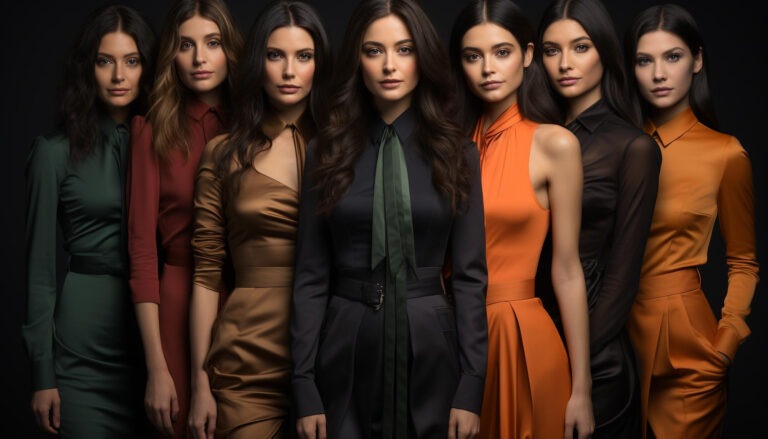
The common mistake is to treat the shoot as one big opportunity to look as polished as possible. A book where every frame shows the same glamorous face tells a client you can do one thing. A book with a clear progression, from a natural base to a commercial finish to a creative statement, shows range. That is why it helps to think of makeup as three jobs rather than one style.
One caveat before the looks. There is no universal rule. What suits a portfolio depends on the market you are aiming at, what your photographer recommends, and what your agency or target clients expect. Talk to them before you book your artist, and treat everything below as a framework to adapt, not a formula.
Look 1: The clean, natural base that shows your real face
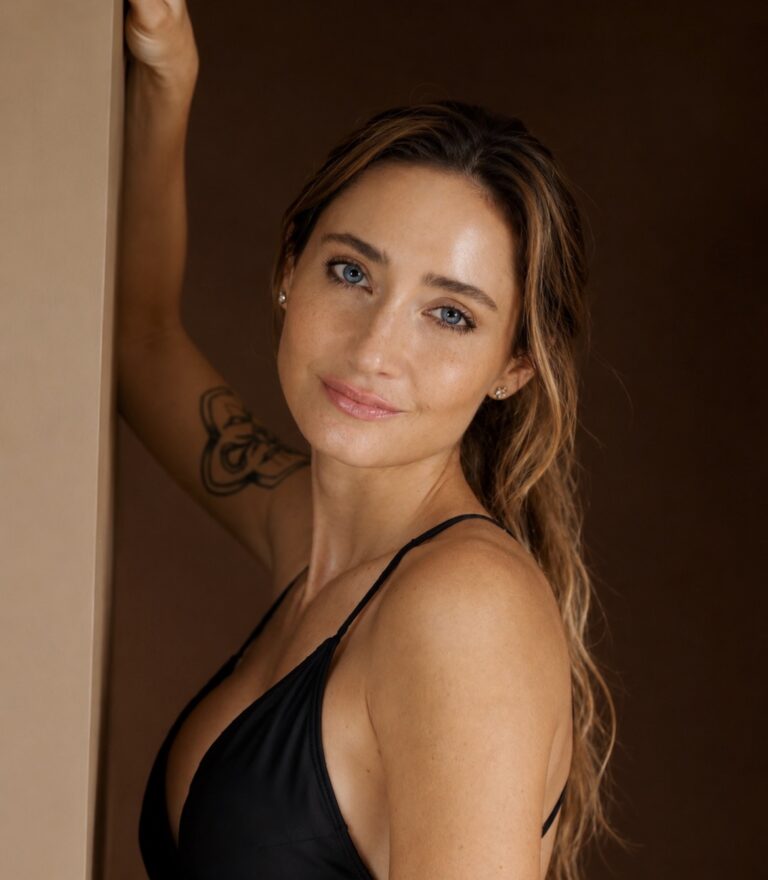
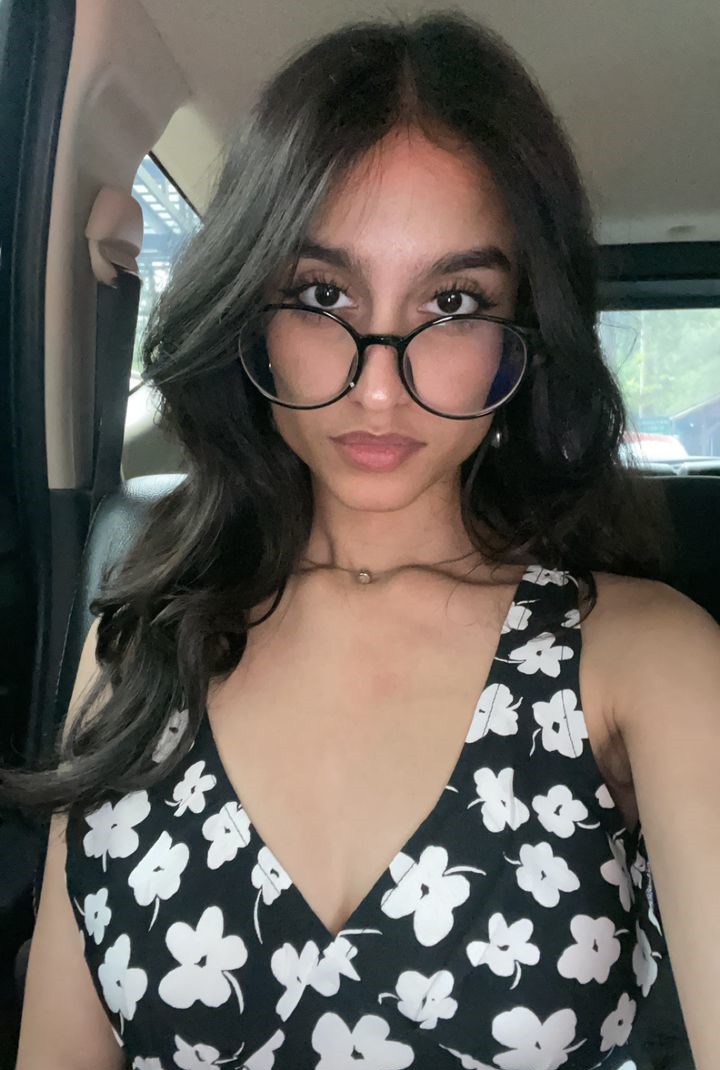
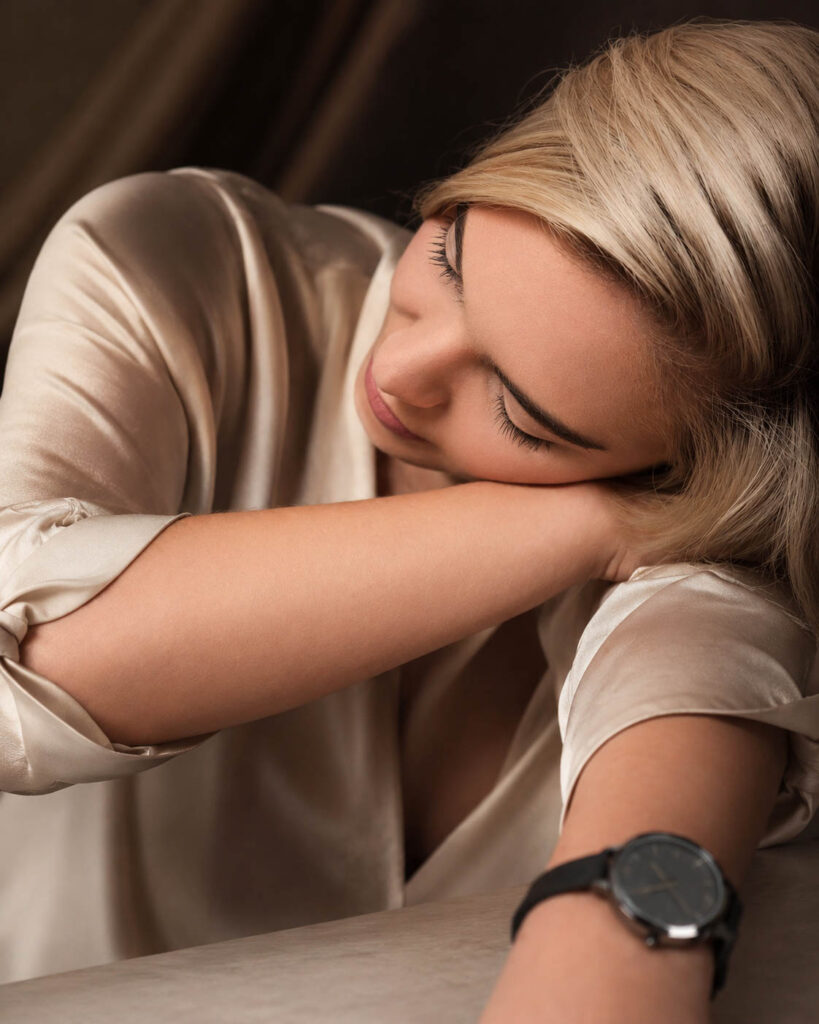
This is the look that sits closest to a digital or polaroid-style image: skin that looks like skin, defined but undramatic features, and nothing that changes the shape of your face. Agencies and clients use these frames to judge your proportions, skin, features and expression, so heavy transformation works against you.
What it usually involves:
- Skin that is evened out rather than covered. Light to medium coverage where you need it, with natural texture still visible.
- Soft definition on the brows, so the face has structure without a drawn-on look.
- Neutral eye makeup, perhaps a little definition at the lash line, with lashes curled rather than dramatically extended.
- A lip colour close to your natural lip, with enough depth that the mouth does not disappear on camera.
- Minimal contour and highlight, and nothing that creates a visible line or shimmer.
The skill here is restraint. A good artist will correct shine, redness or uneven tone without making you look different from how you walk into a casting. If a client meets you after seeing these images, they should recognise you immediately.
Look 2: The polished commercial beauty look for brand and campaign work
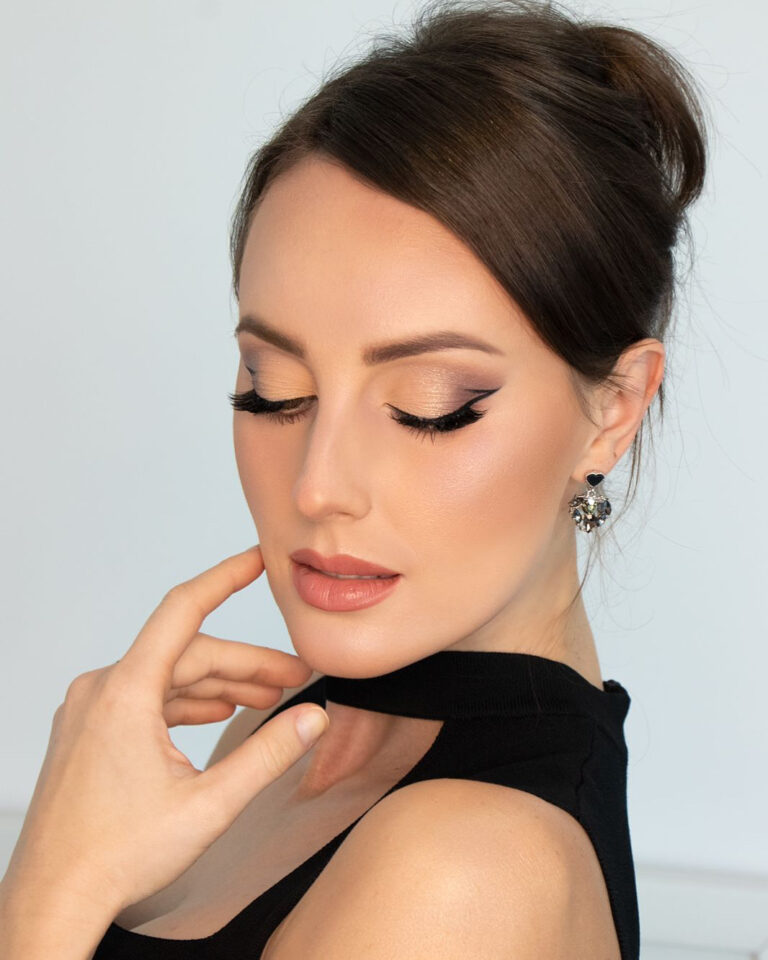
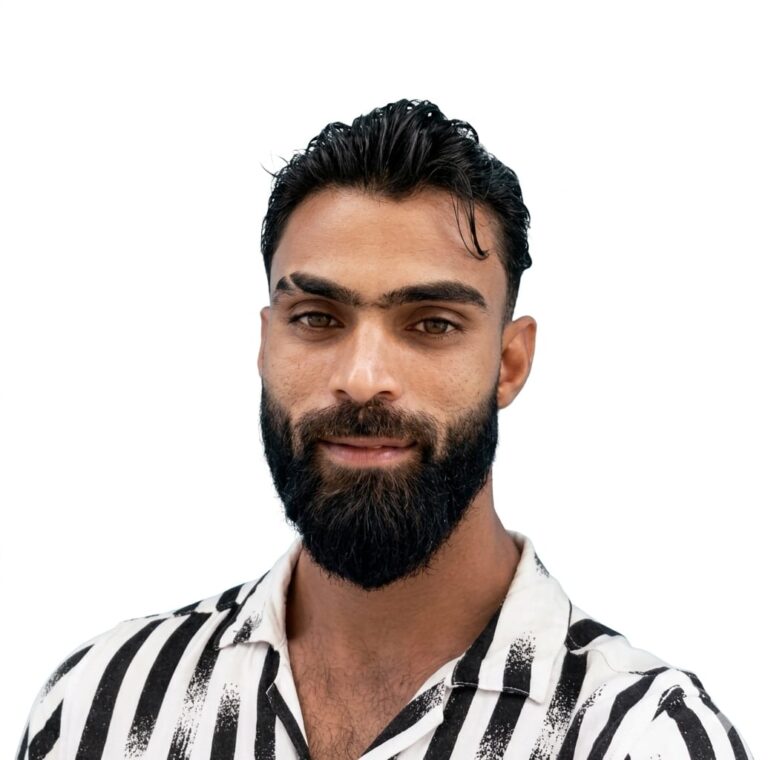
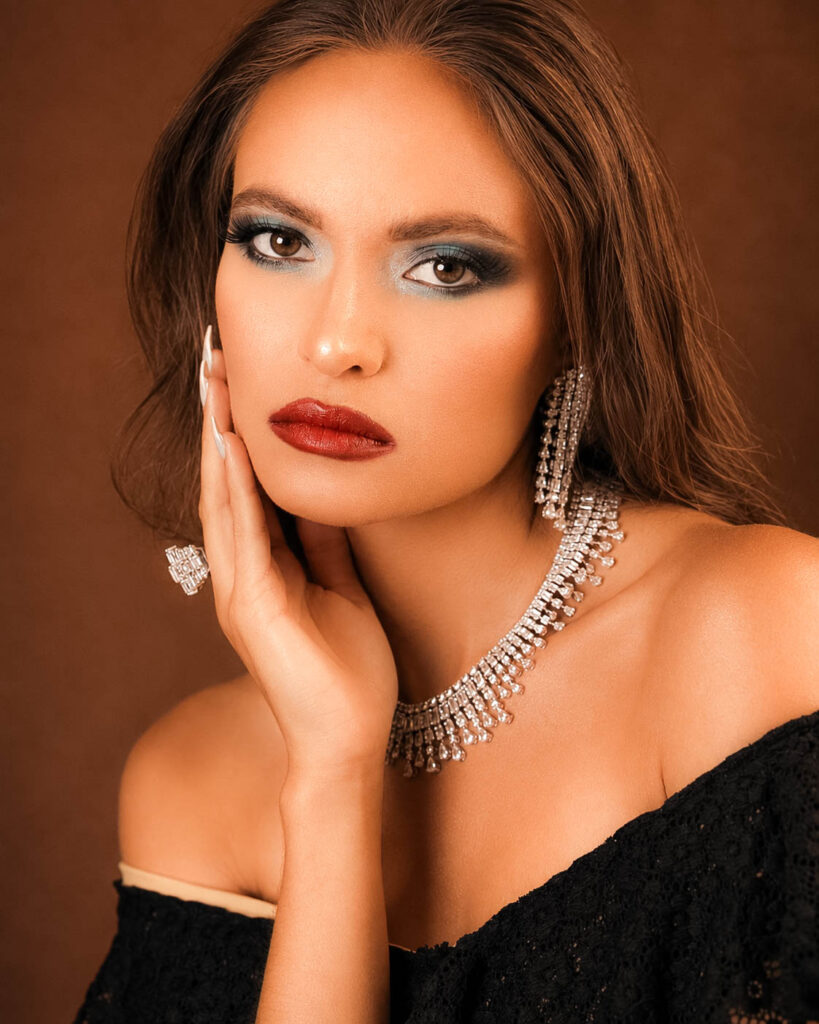
The second look shows that you can be art directed into something clean, bright and approachable, which is the territory of most brand, e-commerce and lifestyle work. Think of it as the natural base with deliberate finishing: more even skin, clearer eyes, healthy colour and a defined but wearable lip.
Key decisions:
- Skin: a smooth, healthy finish with controlled shine. A little glow can look fresh in a beauty frame, but too much reads as oily under strong lights.
- Eyes: softly defined, with colours that work with your eye colour and undertone. Brown, bronze, soft plum and muted neutrals are flexible choices, but it should be your artist’s call after testing.
- Lips: pick a shade a brand could plausibly use, such as a rose, a warm nude or a berry. A single reliable lip lets clients picture you in their category.
- Cheeks: a flush of colour that matches your natural blush tone, not a trend-led placement.
This look also tends to work well for close beauty frames, so it is worth confirming with your photographer that you will shoot a few tighter portraits. That is where skin finish and lip definition show most. If you are also thinking about professional profile images, corporate headshots follow similar principles of clean, believable polish, though usually with a more conservative finish.
Look 3: The editorial statement look that shows creative range
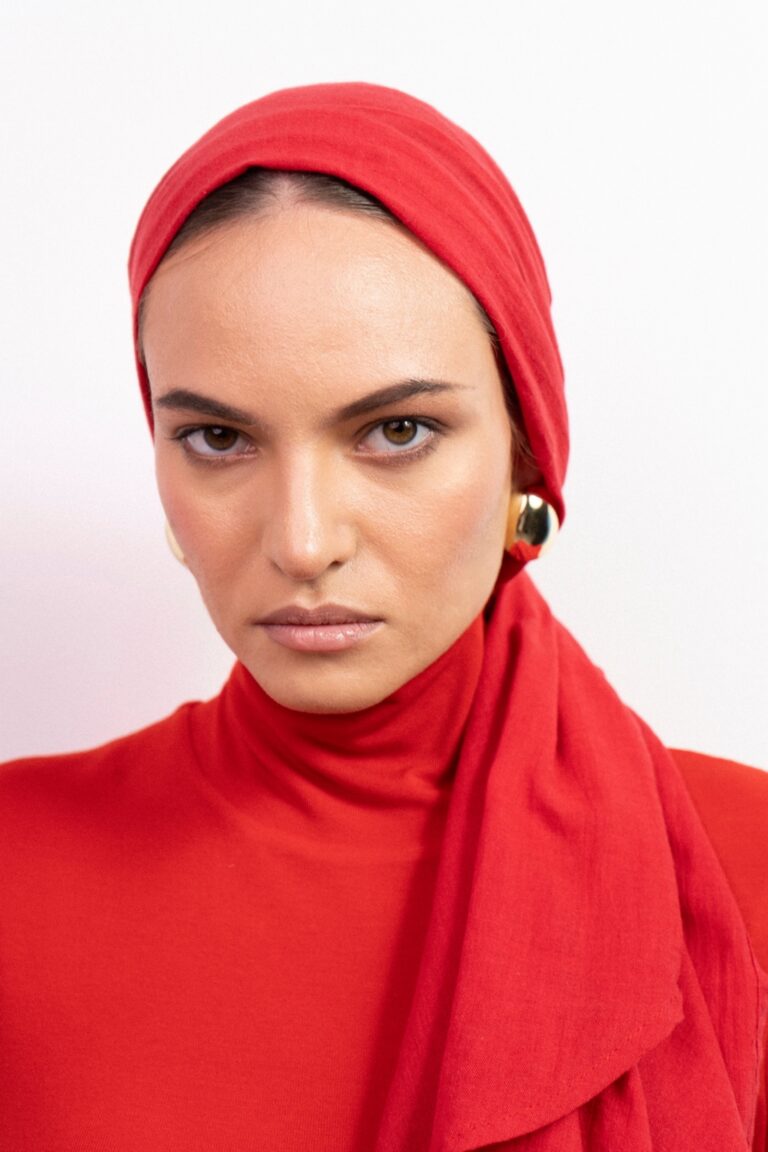
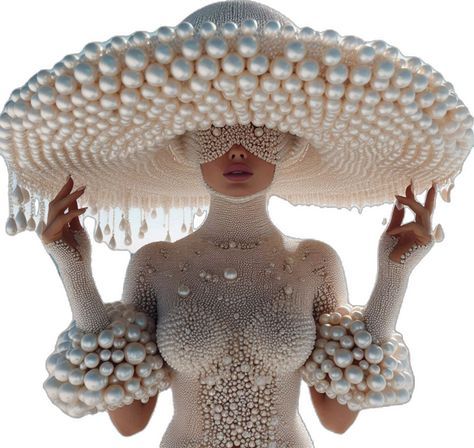
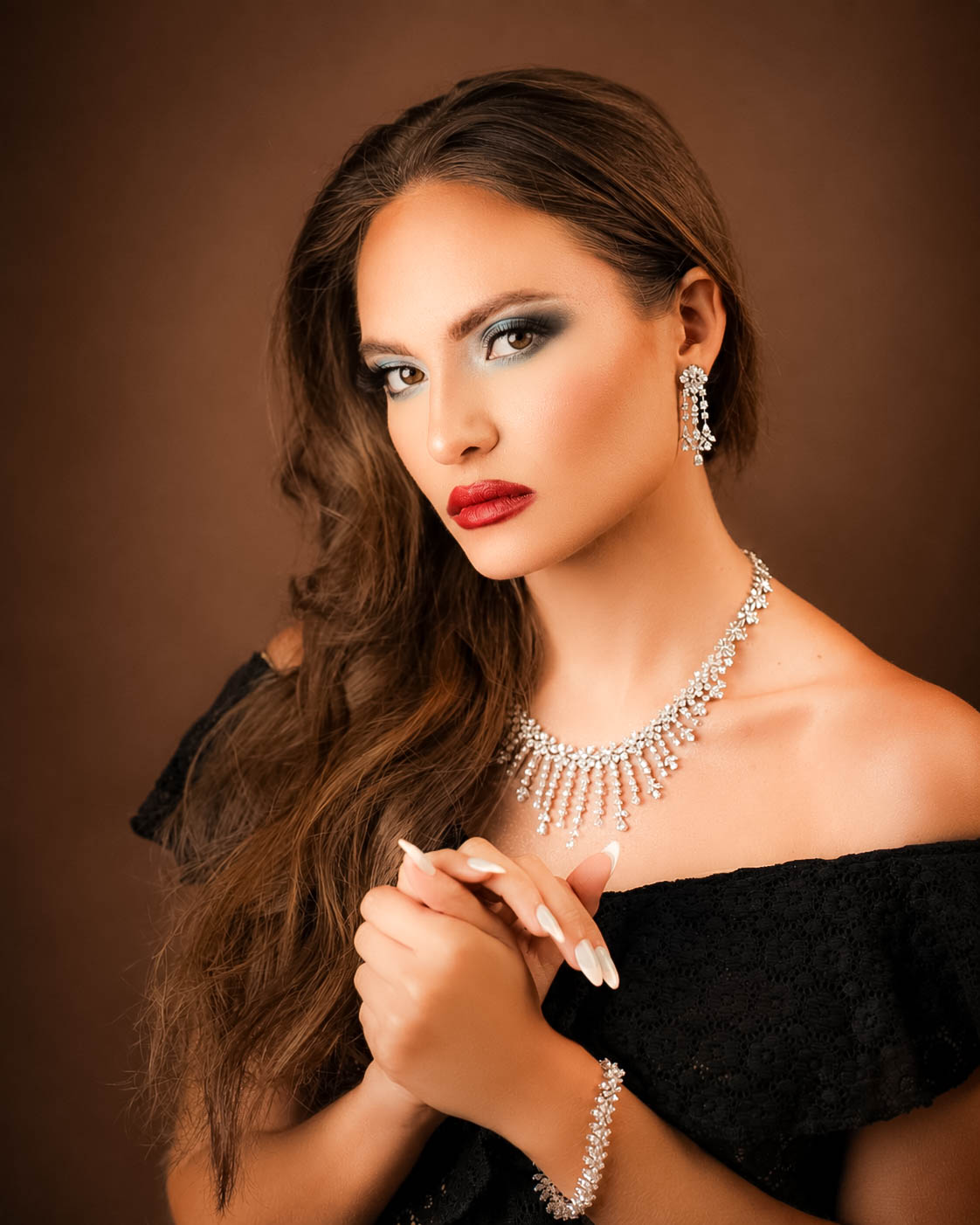
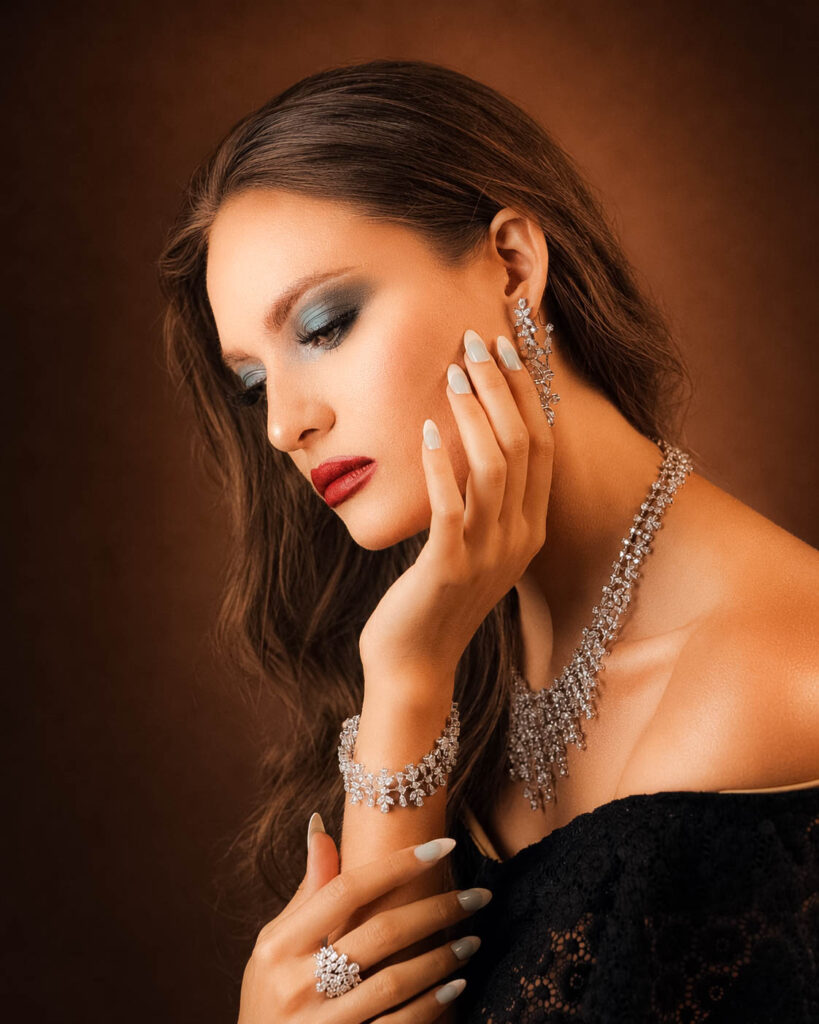
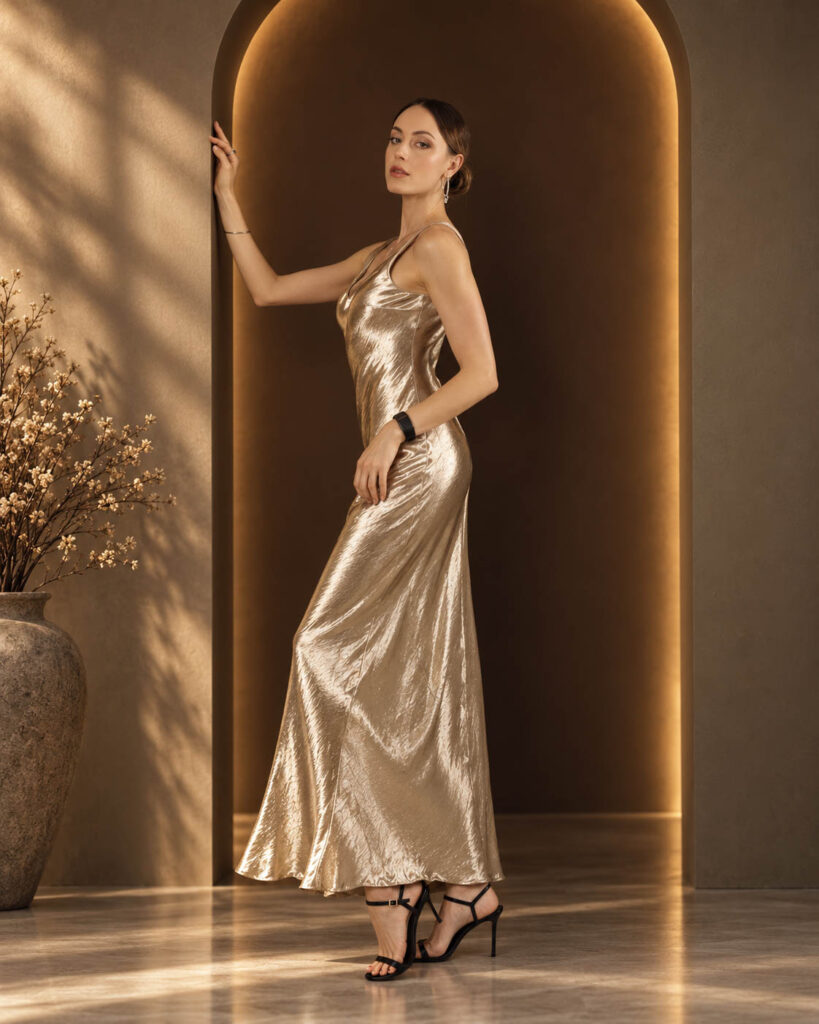
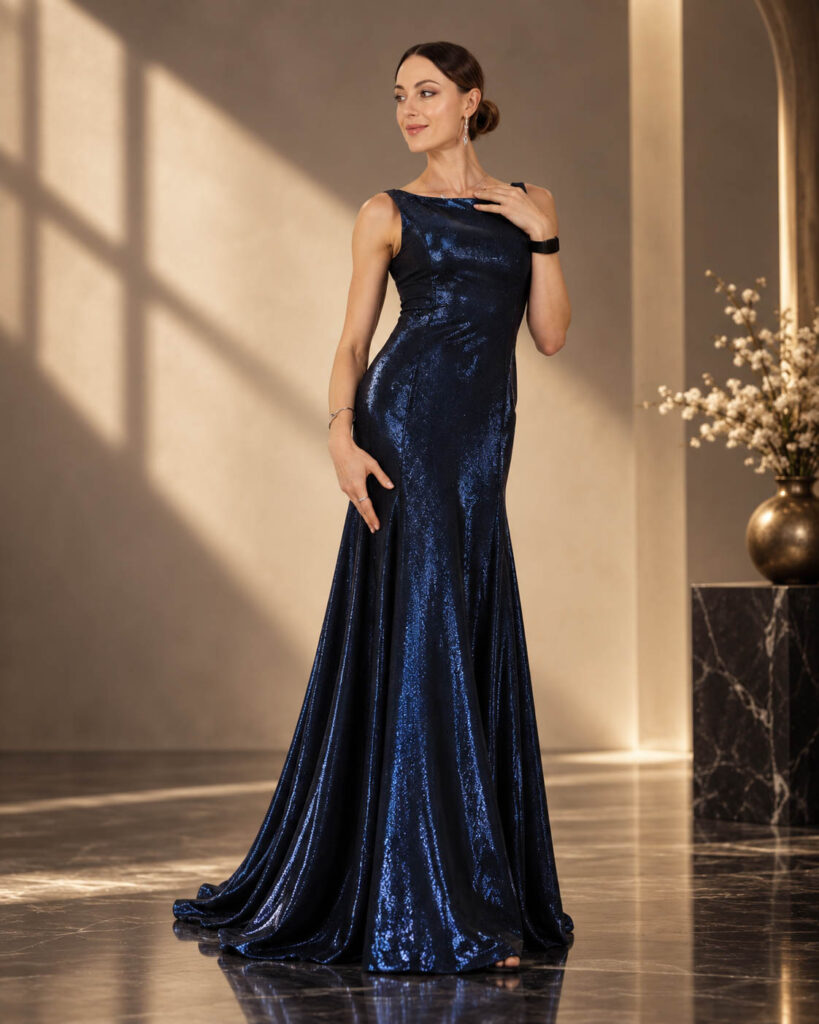
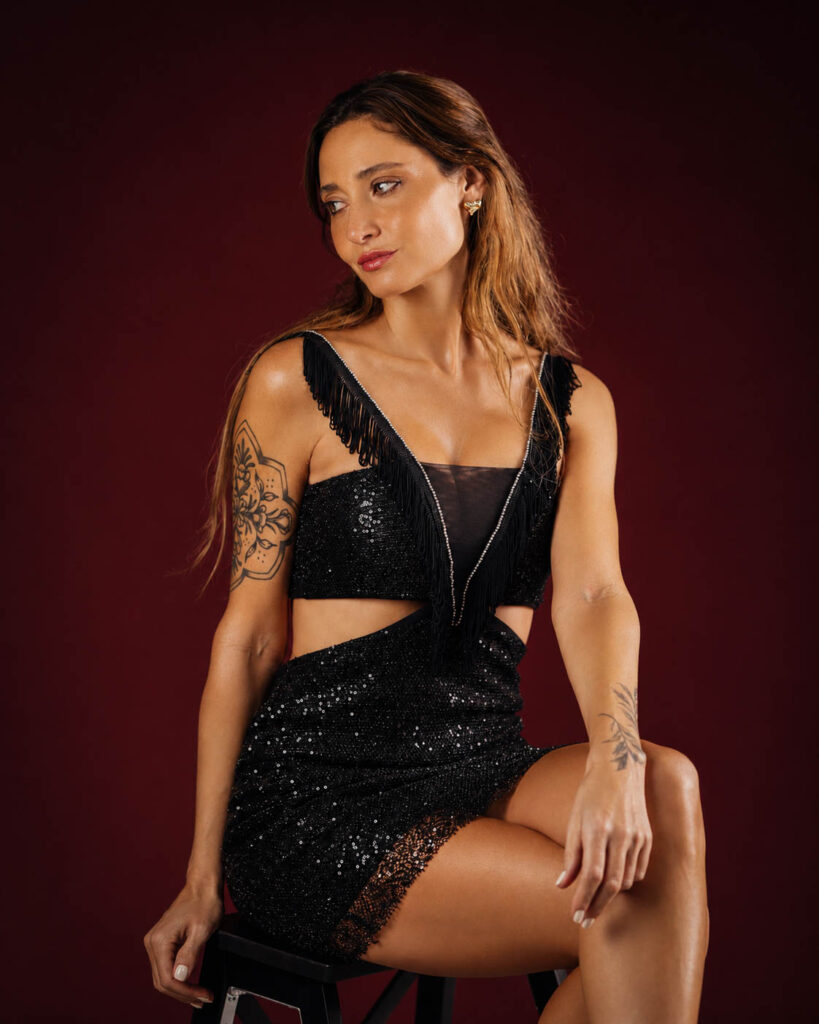
The third look is where you show you can take direction and carry an idea. It should still be about you, but it can use colour, graphic shapes, texture or unusual placement to create a mood. Editorial makeup is what tells a creative team that you will not freeze when the concept gets bold.
Ways to build a statement look without losing control:
- Choose one focal point. A strong lip, a graphic liner, a coloured lid or a sculpted brow works best when the rest of the face stays quiet.
- Keep the skin credible. Even with dramatic features, skin that looks natural or deliberately luminous feels intentional, rather than overdone.
- Match it to your styling. A statement look needs the hair and clothing to agree with it, so plan the combination in advance.
- Stay within your comfort and the project’s boundaries. If a look involves anything unfamiliar to your skin, discuss patch testing and removal with your artist beforehand.
For models working with modest fashion or abaya-related clients, a statement look does not have to mean more skin or more exposure. A graphic eye, an elegant lip or refined skin texture can carry the entire image. Agree the level of boldness with your photographer in advance, and keep it appropriate to the audience you want to reach.
| Look | Job in your book | What a client should think |
|---|---|---|
| Clean natural base | Shows your real face and proportions | “This is who we would be booking.” |
| Commercial beauty | Shows polish and brand fit | “She or he could work in our campaign.” |
| Editorial statement | Shows range and direction-taking | “They can carry a concept.” |
How skin tone, finish and lighting change what the camera sees
Mirrors, phone cameras and professional lighting all show you different things. Studio strobes are strong and controlled, and a white cyclorama can bounce light back onto your face. This tends to fill shadows, which can soften contour and make heavy sculpting look flat or patchy. If your contour looks dramatic in a bathroom mirror, it may look muddy or too strong in a studio frame, or it may disappear altogether. The only reliable answer is a camera test before the main shoot begins.
Things to watch for across skin tones:
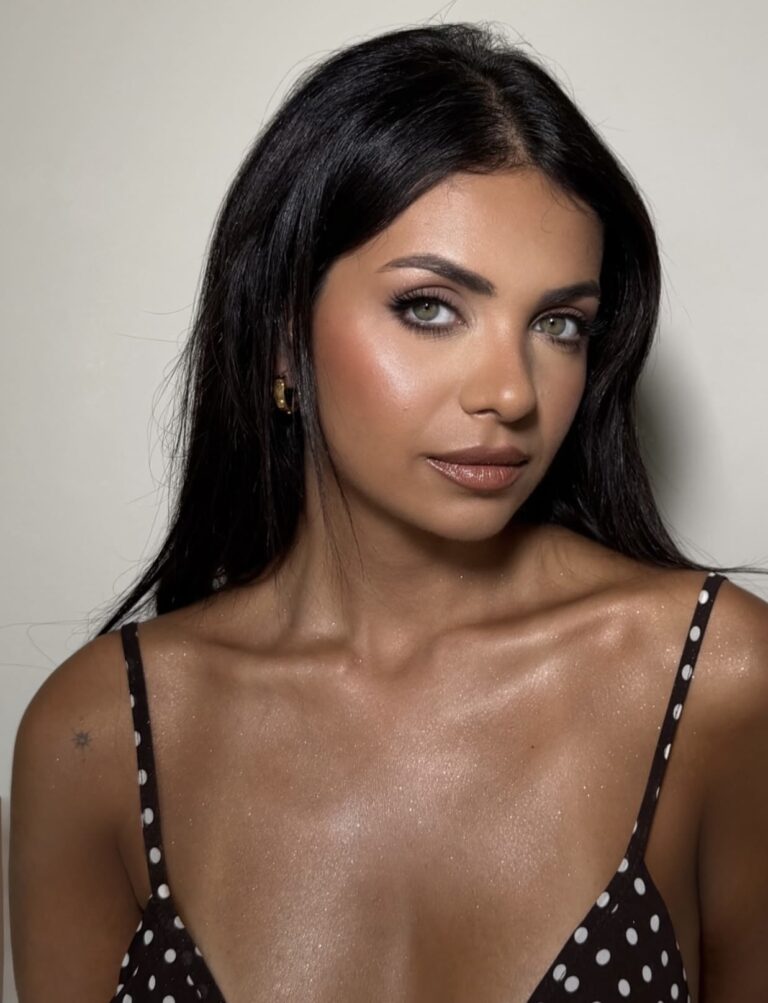
- Deeper skin tones: a base that is too light, or a powder that leaves a grey cast, will stand out under flash. Undertone matters as much as depth, so match at the jaw and neck, not just the cheek. Highlighter works best placed deliberately rather than all over, since shine and highlight can merge.
- Fair or light skin: redness around the nose, cheeks and chin often reads more strongly on camera than in person, and may need careful neutralising.
- Olive and medium skin: bases that are slightly too pink or too yellow can show clearly against white backgrounds, so check the colour against your neck and chest.
- All skin tones: some sunscreens and setting products can reflect flash and create a pale cast in photos. Take a quick phone photo with flash before the shoot to check how your base and prep behave.
Finish is the other big variable. Matte can look flat if it is applied too heavily, while a dewy finish can turn into visible oil under strong light. A satin, skin-like finish is generally safer for portfolios, with shine controlled where it tends to appear, such as the forehead, nose and chin. Lip and eye definition also read differently: pale lips can vanish against a white background, and very soft eye makeup can leave the eyes looking undefined. Ask your photographer to shoot a few test frames, and adjust the intensity from what you see on the screen, not from the mirror.
Making makeup last in UAE heat, humidity and long shoot days
A portfolio shoot can easily run for several hours, and in the UAE the journey to the studio matters too. Moving from an air-conditioned car to a hot pavement and back to a cool building can cause shine, creasing and shifting before you have even reached the set.
Practical ways to protect your look:
- Arrive with prepared skin. Clean, moisturised skin underneath helps makeup sit better. Avoid trying new skincare or treatments in the days before the shoot, because reactions are hard to hide on camera.
- Plan your transport. If possible, travel with your face bare or lightly prepped, and have your artist apply makeup at the studio. If you arrive already made up, keep touch-up items with you and avoid rubbing your face.
- Ask about setting and longevity. A good artist will use techniques to keep makeup stable through the day, and may suggest touching up shine between looks rather than layering more product.
- Schedule the order of looks. Shooting the natural base first and the more built-up looks later saves you from removing heavy makeup mid-day. It also lets you keep skin comfortable.
- Stay hydrated and take breaks. Long days under lights and air conditioning can dry and tire the skin.
- Keep a small touch-up kit within reach. Blotting papers, a lip product and a few items your artist recommends can save a frame.
Remember to also allow time for changes. If you are doing three looks, make sure the schedule includes proper time for the artist to remove, reset and reapply, rather than rushing to fit everything into an hour.
How to brief your makeup artist (and what to bring as references)
A makeup artist can only deliver what is clearly explained. A vague request like “make it look nice” leaves too much to guess, while a short brief gives them what they need to plan products, timing and finish.
What to include in your brief:
- The purpose of the shoot. Say that it is for a modeling portfolio and mention the markets you are aiming at, such as commercial, fashion or modest fashion.
- The three looks and their jobs. Describe each as natural, commercial and editorial, and say how they should differ.
- Your skin. Mention your skin type, any sensitivities or allergies, areas that get oily, and anything you want treated sensitively.
- Your references. Bring a handful of images that show the finish, lip, eye and level of intensity you like. Include one or two that show what you do not want.
- The conditions. Mention the location, how long you will travel, and how long the shoot is likely to run.
- Hair and styling plans. Share what the photographer and stylist are planning, so the makeup suits the clothing and hair.
A short written note can help:
Portfolio shoot, three looks: natural base, commercial beauty and editorial. Combination skin that gets shiny on the forehead and nose. Sensitive to fragranced products. References attached. Please keep the first look light so my natural skin is visible, and we can build up from there. Photographer has asked for a satin finish.
Good references are about the makeup, not just the model. Choose images with similar lighting, and be ready to accept that your artist may adapt them to your face and features. Ask the artist if a trial or short pre-shoot call is possible, especially for the editorial look.
If the model is a teen, the professional approach is a minimal, age-appropriate look, a guardian present throughout the shoot, and agreement on products and removal before the day. Keep makeup simple and let the focus stay on natural features.
Pre-shoot checklist: skin prep, kit and day-of mistakes to avoid
In the week before:
- Confirm the looks, references and timings with your photographer and makeup artist.
- Keep your skincare routine stable and avoid new treatments, harsh exfoliation or facial procedures close to the date.
- Check your brows, lashes and any grooming well in advance, so there is time to settle.
- Drink water and sleep properly where you can, since tired skin shows.
The day before:
- Prepare your documents, reference images and any clothing or accessories the artist should see.
- Remove nail polish or colour that clashes with the plan, if your photographer has asked for it.
- Decide how you will travel and what you will carry.
What to bring:
- Clean, moisturised skin and a bare face, unless agreed otherwise.
- Your references and written brief.
- Lip products you already like, in case the artist wants to work with them.
- Blotting papers, a small mirror and a water bottle.
- Comfortable clothing with a wide neckline or a button front, so makeup is not smudged when changing.
Mistakes to avoid on the day:
- Trying a new product or colour for the first time on set.
- Arriving with heavy makeup already applied, which limits what the artist can do.
- Judging the look only in the mirror rather than on camera.
- Saying nothing when something feels uncomfortable or wrong. Speak up politely and early.
- Touching up shine with your fingers, which can disturb the base.
Next steps: building the shoot into your portfolio plan
Once you have your three looks, think about how the shoot fits into the bigger picture. A strong set of images is only useful if it helps you get in front of the right people, and makeup is one part of a wider plan that includes photography, styling and the way you present yourself to clients.
If you need a controlled space for a test or a portfolio day, a studio rental in Abu Dhabi with a white cyclorama and lighting gives you a clean base to work from, and you can bring your own makeup artist and photographer. If you are still deciding how to build your book or what clients in the market are looking for, speaking with a modeling agency can help you understand expectations before you invest in a shoot.
When you are ready to present yourself, you can join as a model and create a profile, and if you want to keep developing your skills before or after your shoot, you can explore the academy. Registration and profile visibility do not guarantee bookings or income, so treat your portfolio as a long-term professional tool, and refresh it as your look, experience and goals develop.
Frequently asked questions
How many makeup looks should a model have in a portfolio?
There is no fixed number, but three clear looks is a practical starting point: a natural base, a commercial beauty look and an editorial look. Each should have a different purpose. Your photographer or agency may suggest changes based on the markets you want to work in.
Should I do my own makeup for a portfolio shoot?
If you are skilled and the shoot is simple, it can work, but a professional makeup artist who understands camera and lighting usually gives more consistent results. If you do your own, test the look on camera first and keep it simple. Whichever you choose, agree it with your photographer.
What makeup should I avoid for a modeling portfolio?
Avoid anything that changes your face so much that clients would not recognise you, products that you have never tried before, and very shimmery or heavy bases that can look shiny or patchy under strong lights. Check how your base and sunscreen behave under flash before the shoot.
What kind of makeup is suitable for a teen model?
Keep it minimal, age-appropriate and focused on fresh, natural skin. A guardian should be present, and products, removal and the level of makeup should be agreed in advance. Professional teen portfolios generally show the person, not a transformation.