Category: Freelancing

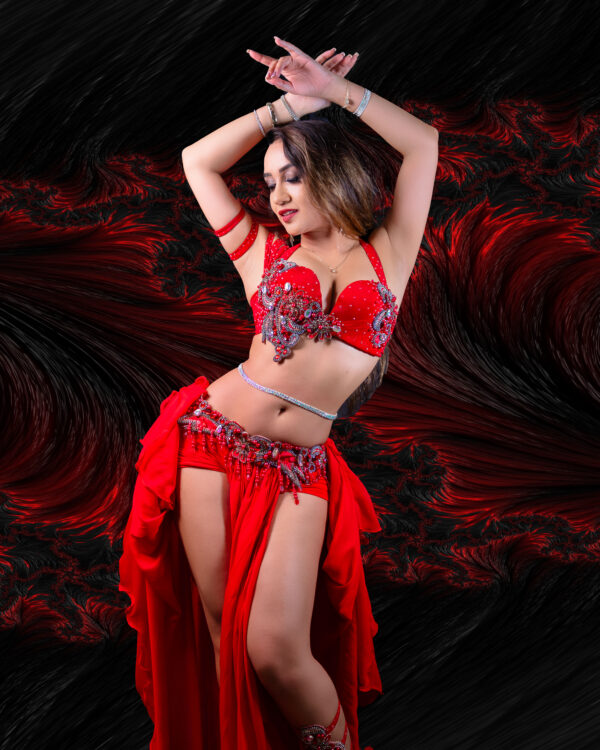
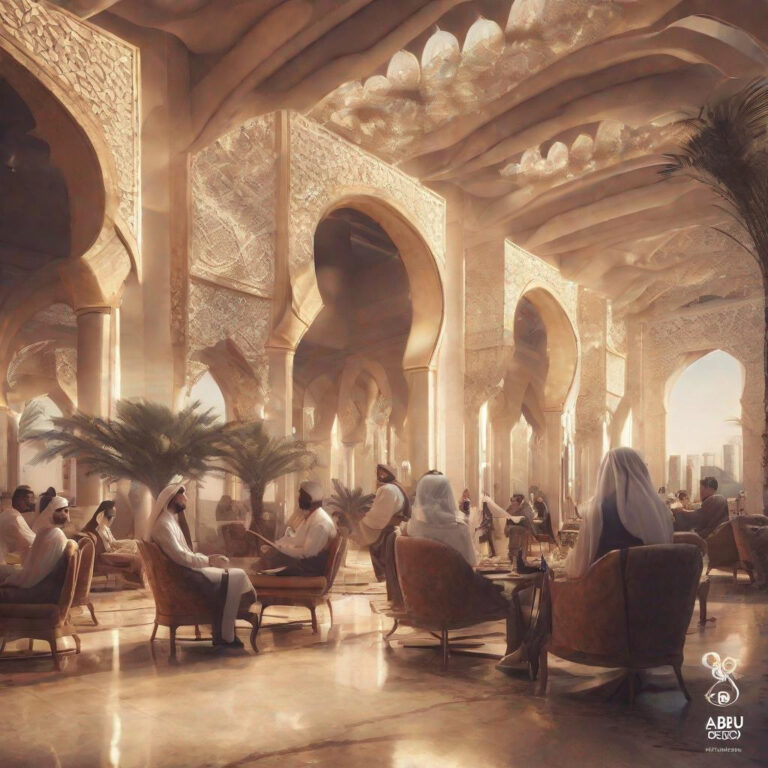
Dance of the Desert: Exploring Folkloric Belly Dance Styles

Dance of the Desert: Exploring Folkloric Belly Dance Styles

Belly dancing, often romanticized as a mystic and sensual art form, holds deep historical and cultural roots that weave through the rich tapestry of Middle Eastern traditions. While modern belly dance, or "raqs sharqi," dazzles with its glamorous costumes and theatrical flair, its folkloric counterparts carry the essence of storytelling, community rituals, and ancient heritage. This article delves into the world of folkloric belly dance styles, unveiling their cultural significance, unique movements, and regional variations.

Understanding Folkloric Belly Dance

Folkloric belly dance encompasses traditional dances rooted in the everyday lives and customs of various Middle Eastern, North African, and Eastern Mediterranean communities. Unlike the polished and choreographed performances seen on grand stages, folkloric styles often celebrate raw, communal expressions of joy, storytelling, and spirituality.
Key characteristics of folkloric belly dance include:

* Authentic Movements: Grounded, earthy movements with a focus on rhythmic patterns and cultural narratives.

* Traditional Costumes: Outfits that reflect the region's heritage, often adorned with intricate embroidery, coins, and vibrant textiles.

* Cultural Themes: Dances may depict harvest celebrations, wedding rituals, or the daily lives of villagers.

Prominent Folkloric Belly Dance Styles

1. Baladi (Egypt)

* Meaning: "Baladi" translates to "my country," symbolizing the dance's deep connection to Egyptian culture.

* Movements: Characterized by strong hip movements, grounded steps, and an intimate, improvised style. Baladi showcases emotional storytelling, often transitioning from a slow, soulful introduction (tet baladi) to an upbeat, lively rhythm (maqsoum).

* Costume: Baladi dresses, often called "galabeyas," feature modest designs with rich colors and embellishments, paired with hip scarves.
2. Saidi (Upper Egypt)

* Meaning: Originating from the Said region, this style embodies the strength and pride of Upper Egyptian culture.

* Movements: Recognized for its dynamic and powerful steps, Saidi often incorporates stick dancing, known as tahtib (traditionally male) or raqs assaya (performed by women). Women blend grace and strength by mimicking the martial techniques of men.

* Costume: Female dancers wear traditional dresses with a sash and may carry a stick (assaya), while male performers don galabeyas and turbans.
3. Ghawazee (Egypt)

* Meaning: The Ghawazee are a group of Egyptian dancers historically regarded as the original traveling performers.

* Movements: Marked by energetic and percussive hip movements, this style is raw and lively, often performed to traditional mizmar music.

* Costume: Ghawazee costumes include richly embroidered tops and skirts, often adorned with layers of jewelry and headpieces.
4. Khaliji (Arabian Gulf)

* Meaning: Khaliji refers to dances from the Gulf region, including Saudi Arabia, Kuwait, and Bahrain.

* Movements: Highlighting feminine grace, Khaliji dances feature fluid arm and hand movements and swaying footwork. Dancers often incorporate hair tossing to emphasize the flowing, rhythmic nature of the style.

* Costume: Dancers wear thobe nashal, a loose, elaborately decorated gown with wide sleeves, which they manipulate as part of their performance.
5. Raqs Al Shamadan (Egypt)
* Meaning: A ceremonial dance performed with a candelabrum (shamadan) balanced on the head, often at weddings.

* Movements: Gentle, controlled steps and isolations to keep the shamadan steady, creating a mesmerizing effect.

* Costume: Lavish, sparkling costumes with an emphasis on the headpiece.
6. Dabke (Levant)

* Meaning: A folkloric group dance popular in Lebanon, Jordan, Palestine, and Syria, symbolizing unity and celebration.

* Movements: A stomping dance with synchronized steps performed in a line or circle, emphasizing footwork and collective rhythm.

* Costume: Traditional embroidered dresses for women and tunics or keffiyehs for men.
7. Berber (North Africa)

* Meaning: Indigenous to the Berber communities of Morocco and Algeria, this style reflects tribal traditions.

* Movements: Focused on repetitive, hypnotic movements, emphasizing the shoulders and torso.

* Costume: Layered garments with bold patterns, often paired with silver jewelry and intricate headdresses.

The Cultural Significance of Folkloric Belly Dance


1. Preservation of History: Folkloric styles serve as living records of cultural narratives, passing down traditions and stories through generations.

2. Expression of Identity: These dances celebrate regional pride, showcasing the diversity within the Middle Eastern and North African diaspora.

3. Community and Connection: Often performed in social gatherings, folkloric belly dance fosters a sense of belonging and shared joy.

Modern Adaptations and Challenges

In contemporary times, folkloric belly dance has been adapted and blended into theatrical and fusion styles, often losing its original essence. While this evolution introduces these traditions to global audiences, it raises concerns about cultural appropriation and misrepresentation.
Preserving Authenticity:

* Education: Understanding the cultural context behind each dance style.

* Respect: Honoring traditional movements, music, and costumes.

* Representation: Encouraging collaborations with native dancers and communities.

Conclusion

Folkloric belly dance is a treasure trove of heritage, offering profound insights into the lives, rituals, and artistry of diverse cultures. By exploring its various styles—each with its unique flavor and story—we celebrate the rich mosaic of human creativity and tradition. Whether you’re a dancer, a cultural enthusiast, or a curious observer, these dances invite you to embark on a journey through the desert’s soul, where every step tells a tale as old as time.

What’s your favorite folkloric belly dance style, and why? Share your thoughts below!
Read More
Ideas for Setting Up a Photography Studio: A Beginner’s Guide

Ideas for Setting Up a Photography Studio: A Beginner’s Guide

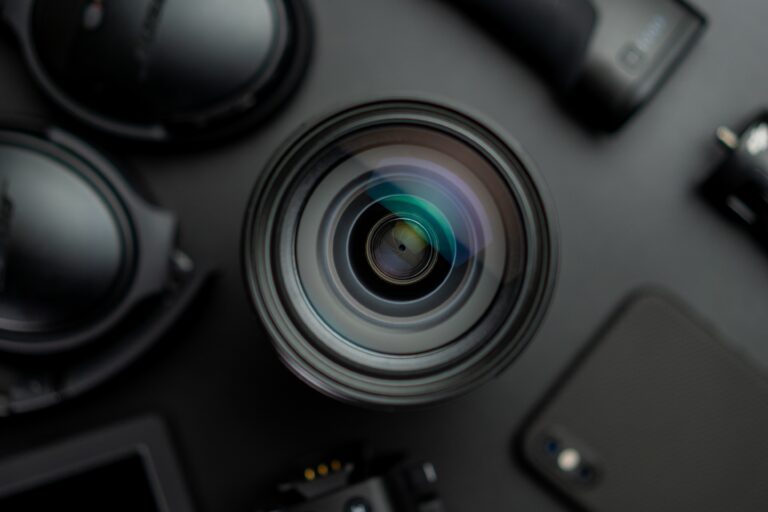
Starting a photography studio can be an exciting venture, whether you are a budding photographer or looking to expand your hobby into a professional setup. A well-thought-out studio not only enhances your creativity but also boosts client satisfaction. Here’s a comprehensive guide packed with ideas and tips for setting up your photography studio, focusing on layout, equipment, lighting, and cost-effective solutions.

1. Define Your Niche

Before diving into the technical aspects, consider the type of photography you’ll focus on. Your niche influences the design and equipment needed for the studio. Common niches include:

* Portrait photography: Requires versatile backdrops and lighting.

* Product photography: Needs precise lighting and props for small or detailed items.

* Fashion photography: Benefits from larger spaces and advanced lighting setups.

* Food photography: Demands specific light control and styling accessories.

* Lifestyle photography: May require a combination of home-like furniture and natural light.

2. Choose the Right Location

The location of your studio plays a vital role in its success. Decide between:

* Home Studio: Ideal for beginners with a limited budget. Dedicate a spare room or a garage for your setup.

* Rented Space: Provides more room and flexibility, particularly if you need high ceilings or a specific ambiance.

* Mobile Studio: Useful for photographers who travel to clients’ homes or outdoor locations. Portable equipment is a must here.

Consider factors like accessibility, natural light availability, and parking when choosing your location.

3. Plan the Layout

Efficient use of space ensures a comfortable working environment and professional results. Divide your studio into functional zones:

* Shooting Area: The largest space for setting up cameras, lights, and backdrops. Ensure enough room for moving equipment.

* Equipment Storage: Use shelves, cabinets, or hooks for organizing cameras, lenses, cables, and lights.

* Editing Desk: A quiet corner with a computer or laptop for post-processing.

* Client Lounge: A seating area with comfortable chairs or a sofa, magazines, and a display of your portfolio.

* Wardrobe and Makeup Zone: For fashion shoots or portraits, include a dressing mirror, a clothes rack, and a makeup station.

4. Essential Equipment

A photography studio requires the right tools to achieve professional results. Here’s a checklist of essential items:

Cameras and Lenses:

Invest in a high-quality camera and versatile lenses. For instance:

* Full-frame DSLR or mirrorless camera: Offers high resolution and better low-light performance.

* Prime lenses: Ideal for portraits (e.g., 50mm or 85mm).

* Zoom lenses: Useful for flexibility in shooting angles.


Lighting:

Lighting is crucial in a studio. Key lighting equipment includes:

* Softboxes: Create soft, even lighting.

* Umbrellas: Offer broad light distribution.

* Ring lights: Perfect for portraits or beauty photography.

* Strobes/Flash Heads: Provide powerful and consistent light.

* Continuous lights: Useful for video and still photography.


Backdrops:

A variety of backdrops helps you cater to different themes:

* Paper rolls: Available in many colors for a seamless background.

* Fabric backdrops: Durable and reusable, ideal for textured effects.

* Vinyl backdrops: Easy to clean and versatile.


Modifiers:

Modifiers help shape and control light:

* Reflectors: Bounce light into shadows.

* Diffusers: Soften harsh light.

* Grids and barn doors: Control light direction and intensity.


Props:

Props add interest and depth to your photos. Include chairs, stools, cushions, and themed items related to your niche.


Accessories

Don’t forget these smaller, yet important, items:

* Tripod: Stabilizes your camera.

* Light stands: Keep your lights secure.

* Cables and triggers: For connecting and synchronizing equipment.

5. Create the Perfect Lighting Setup

Lighting can make or break a photo. Experiment with these setups:

* Three-Point Lighting: Combines a key light, fill light, and backlight for balanced images.

* Natural Light Augmentation: Use reflectors and diffusers to maximize natural light.

* High-Key and Low-Key Lighting: For dramatic effects in portrait or fashion photography.

Position lights to eliminate harsh shadows and achieve the desired mood.

6. Soundproofing and Ambiance

To create a professional environment:
* Install acoustic panels or carpets to minimize noise.

* Use neutral-colored walls to avoid unwanted color casts.

* Add plants, artwork, or shelves to personalize the space.

7. Invest in Post-Processing Tools

Editing is a crucial part of photography. Equip your studio with:

* High-performance computer/laptop.

* Editing software: Adobe Lightroom, Photoshop, or Capture One.

* Calibrated monitor: Ensures accurate color representation.

8. Budget-Friendly Tips

Starting a studio can be expensive, but these tips can help:

* Buy used equipment: Look for quality second-hand cameras and lighting gear.

* DIY backdrops: Create custom backdrops using painted walls or fabric.

* Start small: Begin with essential equipment and upgrade as your business grows.

* Leverage natural light: Choose a location with large windows to reduce artificial lighting costs.

9. Marketing Your Studio

To attract clients, build an online presence:

* Create a portfolio website: Showcase your best work and provide booking options.

* Social media marketing: Use platforms like Instagram and Pinterest to display your work.

* Collaborate: Partner with models, makeup artists, or businesses for mutual promotion.

* Offer promotions: Discounts for first-time clients or package deals.

10. Safety and Insurance

Prioritize safety to protect your investment and clients:

* Secure all heavy equipment with clamps or weights.

* Keep wires and cables organized to prevent tripping hazards.

* Get insurance for your equipment and liability coverage.

11. Expand Over Time

As your business grows:

* Add specialized equipment like gimbals or motorized sliders for video work.

* Upgrade your studio space or rent additional facilities.

* Explore workshops and certifications to refine your skills.

By carefully planning and investing in the right equipment, you can create a photography studio that enhances your creativity and meets the expectations of your clients. Start small, adapt to your niche, and continuously improve your setup to grow as a professional photographer.
Read More
Hostessing Etiquette: Tips for a Polished Presentation

Hostessing Etiquette: Tips for a Polished Presentation in the UAE

In the UAE, hosting and hospitality are not just professions; they are integral to the cultural fabric. Whether at a high-profile event, a corporate gala, or an exclusive gathering, hostesses play a pivotal role in creating lasting impressions. Their presence embodies grace, professionalism, and the essence of hospitality, which is deeply valued in Emirati culture.

This blog delves into the nuances of hostessing etiquette, offering a comprehensive guide tailored to the UAE's unique cultural and professional landscape.

The Role of a Hostess in the UAE


Hostesses are ambassadors of the events they represent. Their demeanor, presentation, and interaction can elevate an event’s atmosphere and ensure guests feel valued. In the UAE, this role is amplified by the cultural emphasis on hospitality, respect, and elegance.

Key Elements of Hostessing Etiquette

1. Cultural Sensitivity

In the UAE, understanding and respecting cultural norms is paramount.

* Modesty in Attire: While hostesses often dress elegantly, it is essential to maintain modesty. Dresses should align with the cultural context—covering shoulders and knees where appropriate.

* Awareness of Traditions: A basic understanding of Emirati customs, such as the importance of greetings or avoiding handshakes with the opposite gender unless initiated, reflects cultural respect.
2. Professional Appearance

First impressions matter significantly in hostessing. A polished appearance is non-negotiable.

* Dress Code: Always adhere to the event’s theme or guidelines, ensuring outfits are immaculate, tailored, and appropriate for the occasion.

* Grooming: Hair, nails, and makeup should be neat and understated unless specified otherwise. A professional yet approachable look is key.

* Posture and Body Language: Standing tall with open and confident body language exudes professionalism.
3. Communication Skills

Effective communication is the hallmark of a great hostess.

* Greeting Guests: A warm smile and a clear, respectful greeting set the tone for a positive interaction. In the UAE, using Arabic phrases like "Marhaba" (Hello) or "Ahlan wa Sahlan" (Welcome) can add a personal touch.

* Listening Attentively: Giving guests undivided attention conveys respect and ensures their needs are understood.

* Clear Articulation: Multilingual proficiency, particularly in English and Arabic, is an asset, given the UAE's diverse population.
4. Grace Under Pressure

Events can be dynamic and unpredictable. Hostesses must remain composed and solution-oriented.

* Handling Difficult Guests: Approach challenges with patience and diplomacy. Apologize sincerely when necessary and escalate issues discreetly if required.

* Multitasking: Balancing various responsibilities, from guiding guests to managing schedules, is essential. Prioritize tasks without appearing flustered.
5. Knowledge of the Event

Being well-informed about the event’s purpose, schedule, and key attendees is crucial.

* Event Details: Familiarize yourself with the agenda, venue layout, and any VIP protocols.

* Brand Representation: If the event is corporate, understand the brand’s values and mission to reflect them accurately.

Etiquette-Specific Tips for UAE Events

1. Respect for Emirati Protocols

* Seating Arrangements: Be mindful of seating hierarchies, as respect for elders and VIPs is deeply ingrained in UAE culture.

* Photography: Avoid taking photos of guests without permission, particularly women in traditional attire.
2. Alcohol-Related Etiquette

If the event includes alcohol, be discreet and ensure guests are comfortable, respecting the sensitivities of those who abstain for cultural or religious reasons.
3. Timing and Punctuality

In the UAE, punctuality is a sign of respect. Arriving early to familiarize yourself with the venue and your responsibilities is essential.
4. Understanding Multicultural Dynamics

The UAE is a melting pot of cultures. Being adaptable and respectful of diverse customs ensures inclusivity and enhances the guest experience.

The Hostess Mindset: Embodying Hospitality


Being a successful hostess goes beyond following protocols; it’s about embodying hospitality. This includes:

* Empathy: Anticipating and addressing guests' needs.

* Confidence: Approaching tasks with assurance while remaining approachable.

* Adaptability: Adjusting to the unique requirements of each event.

Common Mistakes to Avoid

1. Overstepping Boundaries: Maintain professionalism and avoid becoming overly familiar with guests.

2. Neglecting Cultural Awareness: A lack of understanding can lead to unintentional offenses.

3. Appearing Disinterested: Always engage actively, avoiding distractions like mobile phones.

4. Being Unprepared: Not knowing event details can compromise your effectiveness.

Enhancing Your Hostessing Career in the UAE

1. Continuous Training

Invest in courses on etiquette, cultural sensitivity, and communication to stay ahead.
2. Networking

Building relationships with event planners, agencies, and clients can lead to more opportunities.
3. Building a Portfolio

Document your experience with high-quality photographs or references to showcase your expertise.

Hostessing with Sam Studio

At Sam Studio, we go beyond capturing moments; we provide a comprehensive platform for hostesses in the UAE. As a freelancing hub, we manage and offer work opportunities for hostesses, ensuring they are matched with events that align with their expertise and professionalism.

Our photography services complement this by highlighting the elegance, poise, and professionalism of hostesses, whether for portfolio building or event documentation. By combining cultural sensitivity, industry knowledge, and a polished presentation, Sam Studio empowers hostesses to thrive while leaving lasting impressions in the UAE's dynamic event landscape.

Explore opportunities and services with Sam Studio to elevate your career and redefine the art of hospitality.
Read More
Abu Dhabi’s Entertainment Industry: Opportunities for Freelancers

Abu Dhabi’s Entertainment Industry: Opportunities for Freelancers

Nestled in the heart of the UAE, Abu Dhabi has emerged as a cultural and entertainment powerhouse. With its blend of tradition and modernity, this vibrant city offers a rich tapestry of opportunities for freelancers in the entertainment industry. From blockbuster film productions to dazzling events and immersive experiences, Abu Dhabi is a beacon for creative professionals seeking to carve their niche in a dynamic market.​

The Rise of Abu Dhabi as an Entertainment Hub

Vision 2030: A Cultural Renaissance:

Abu Dhabi's Vision 2030 is a comprehensive plan aimed at diversifying the economy and positioning the emirate as a global cultural destination. This ambitious vision has spurred significant investments in the arts, film, and entertainment sectors. Landmarks such as the Louvre Abu Dhabi and the upcoming Guggenheim Museum underscore the emirate’s commitment to cultural and artistic excellence.
Film and Television Production:

Abu Dhabi has rapidly become a hotspot for international film and television production. The Abu Dhabi Film Commission (ADFC) offers competitive incentives, including a 30% cash rebate on production spend, attracting global filmmakers. Blockbusters like "Star Wars: The Force Awakens" and "Fast & Furious 7" have been filmed here, highlighting the emirate’s appeal. For freelancers, this translates to myriad opportunities in roles ranging from production assistants to special effects artists.​

Key Opportunities for Freelancers in Abu Dhabi

Event Planning and Management:

The emirate hosts a plethora of high-profile events, from the Abu Dhabi Grand Prix to the Abu Dhabi Film Festival. Freelancers specializing in event planning, management, and logistics can find ample opportunities to showcase their skills. The demand for experienced event coordinators, technical staff, and marketing professionals is on the rise, driven by the city’s burgeoning event calendar.
Media and Digital Content Creation:

With the proliferation of digital media, there’s a growing need for freelance writers, photographers, videographers, and social media experts. Companies and events in Abu Dhabi seek to create compelling content that resonates with both local and international audiences. Freelancers adept at storytelling, digital marketing, and content strategy are particularly well-positioned to capitalize on this trend.
Music and Performing Arts:

Abu Dhabi’s cultural scene is enriched by its diverse music and performing arts offerings. The Abu Dhabi Classics concert series and the Abu Dhabi Festival are just a few examples of the vibrant cultural events that take place annually. Musicians, dancers, choreographers, and theater professionals can find numerous freelance gigs, contributing to the city’s artistic tapestry.

Navigating the Freelance Landscape in Abu Dhabi

Building a Network:

Networking is crucial in Abu Dhabi’s entertainment industry. Attending industry events, joining local professional associations, and leveraging social media platforms like LinkedIn can help freelancers connect with potential clients and collaborators. Establishing a strong local presence and reputation is key to securing consistent freelance work.
Understanding Cultural Nuances:

Abu Dhabi’s unique cultural landscape requires freelancers to be culturally aware and sensitive. Understanding local customs, business etiquette, and the importance of building trust with clients can significantly enhance a freelancer’s success in this market.
Legal and Administrative Considerations:

Freelancers must navigate the legal and administrative landscape to operate smoothly in Abu Dhabi. This includes obtaining the necessary visas, work permits, and licenses. The UAE has made strides in supporting freelancers, with new visa options and freelance licenses designed to facilitate easier entry into the market.

Success Stories: Freelancers Thriving in Abu Dhabi

Case Study: A Film Production Freelancer:

Meet Sarah, a freelance production designer from the UK. Attracted by the vibrant film industry in Abu Dhabi, she relocated and quickly found work on a major international film set. Leveraging the ADFC’s resources and her growing network, Sarah has successfully built a thriving freelance career, working on multiple high-profile projects and collaborating with top-tier production companies.
Case Study: A Digital Content Creator:

John, a freelance photographer and videographer from Australia, moved to Abu Dhabi to explore new opportunities. By creating visually stunning content for local businesses and events, he has carved out a niche in the digital media landscape. His work has been featured in major publications, and he has collaborated with leading brands, showcasing the potential for freelancers in Abu Dhabi’s digital space.

Conclusion

Abu Dhabi’s entertainment industry is a burgeoning field ripe with opportunities for freelancers. From film and television production to event management, digital content creation, and performing arts, the emirate offers a diverse and dynamic environment for creative professionals. By understanding the local landscape, building a strong network, and navigating the legal requirements, freelancers can unlock a wealth of possibilities in this vibrant city. As Abu Dhabi continues to evolve as a cultural and entertainment hub, freelancers have a unique chance to be at the forefront of this exciting transformation.

Call to Action

Are you ready to embark on a freelancing journey in Abu Dhabi’s entertainment industry? Start exploring the myriad opportunities today and become part of a thriving community of creative professionals. Whether you’re a seasoned freelancer or just starting, Abu Dhabi awaits with open arms and endless possibilities.

By embracing the spirit of innovation and creativity, freelancers can not only find success in Abu Dhabi but also contribute to the emirate’s vision of becoming a global cultural capital. The future is bright, and the stage is set. Step into the spotlight and make your mark in Abu Dhabi’s entertainment industry.
Read More
Photography Trends 2024: What’s In and What’s Out

Photography Trends 2024: What’s In and What’s Out

Welcome to SAM Studio's comprehensive guide to the hottest photography trends of 2024! Photography, like any art form, continually evolves, influenced by technological advancements, cultural shifts, and creative experimentation. As we dive into the year, it's essential to stay ahead of the curve and understand what's shaping the world of photography. Here’s a detailed look at what's in and what's out for 2024.

What’s In

1. AI-Enhanced Editing

Artificial Intelligence (AI) is revolutionizing photo editing. AI-powered software can now perform complex tasks like enhancing details, removing backgrounds, and even colorizing black-and-white photos with incredible precision and speed. Tools like Adobe's Sensei and Luminar AI are becoming indispensable, allowing photographers to focus more on creativity and less on technicalities.

2. Sustainable Photography

Eco-consciousness is a significant trend across all industries, and photography is no exception. Photographers are increasingly aware of their environmental footprint, opting for sustainable practices. This includes using eco-friendly printing materials, reducing plastic usage, and choosing energy-efficient equipment. Additionally, capturing and promoting eco-friendly subjects and themes is gaining popularity.

3. Mobile Photography

With smartphone cameras becoming more advanced, mobile photography continues to rise. The convenience and accessibility of smartphones, coupled with powerful built-in cameras, make them a favorite tool for both amateur and professional photographers. The latest models offer features like multiple lenses, AI enhancements, and high-resolution sensors, allowing for stunning images on the go.

4. 360-Degree Photography and Virtual Tours

Immersive photography experiences are trending, especially in real estate, travel, and event photography. 360-degree photos and virtual tours offer viewers an interactive way to explore spaces. This trend is fueled by the growing demand for virtual reality (VR) content, providing a unique way to experience destinations, properties, and events.

5. Retro and Film Photography

Nostalgia for the past is bringing film photography and retro styles back into the limelight. Many photographers are embracing the unique aesthetic of film, including its grain, color imperfections, and manual process. Simultaneously, digital filters that mimic vintage looks are in vogue, allowing photographers to achieve that classic feel without needing traditional film.

6. Inclusive and Diverse Narratives

There's a growing emphasis on inclusivity and diversity in photography. Photographers are making conscious efforts to capture a broader range of subjects, representing different cultures, genders, ages, and body types. This trend is about celebrating diversity and ensuring all stories are told, creating a richer and more inclusive visual narrative.

7. Drone Photography

Drone photography continues to soar, offering unique aerial perspectives that were once impossible without expensive equipment. Drones are now more affordable, compact, and user-friendly, making them accessible to a broader range of photographers. The stunning aerial views captured by drones are particularly popular in landscape, real estate, and event photography.

What’s Out

1. Overly Staged and Posed Photography

The trend is moving away from overly staged and posed photography towards more candid and authentic shots. Viewers and clients are seeking genuine moments and real emotions, preferring images that tell a story rather than those that look too perfect and artificial.

2. Heavy Filters and Over-Editing

The era of heavy filters and over-edited photos is fading. Today's audiences appreciate subtle edits that enhance natural beauty rather than drastically altering the original image. Over-editing can lead to unnatural and unrealistic photos, which are becoming less appealing in a world that values authenticity.

3. Monochrome Minimalism

While minimalism remains popular, the trend towards monochrome, particularly black-and-white minimalism, is declining. Photographers are now embracing more vibrant and complex compositions that utilize a broader color palette and intricate details, moving away from the stark simplicity of monochrome minimalism.

4. Ignoring Social and Environmental Issues

Photography that ignores the current social and environmental issues is becoming less relevant. Photographers are expected to be more socially and environmentally conscious, using their art to raise awareness and promote positive change. Ignoring these important issues can make a photographer seem out of touch with contemporary concerns.

5. Traditional Portraits

Traditional, static portraits are being replaced by more dynamic and lifestyle-oriented portrait photography. Clients prefer images that showcase personality and context, capturing people in their natural environments and everyday activities rather than in formal, posed settings.

Embracing the Future

Staying updated with the latest trends is crucial for any photographer looking to remain relevant and competitive. As we move through 2024, embracing new technologies, sustainable practices, and authentic storytelling will be key to creating compelling and impactful images. At SAM Studio, we’re committed to helping you navigate these trends and elevate your photography to new heights.

Happy shooting, and here's to a creative and innovative 2024!

Read More
Photography Composition: Rule of Thirds and Beyond

Photography Composition: Rule of Thirds and Beyond

Welcome to SAM Studio! Whether you're an amateur shutterbug or a seasoned professional, mastering the art of composition is crucial to taking your photography to the next level. One of the most foundational concepts in photographic composition is the Rule of Thirds, but there is a whole world beyond it waiting to be explored. In this blog, we'll delve into the Rule of Thirds and introduce some advanced techniques that will help you create captivating and visually stunning images.

Understanding the Rule of Thirds

The Rule of Thirds is a fundamental principle of composition that suggests dividing your frame into nine equal parts using two equally spaced horizontal lines and two equally spaced vertical lines. The idea is to place the most important elements of your scene along these lines or at their intersections, known as power points. This technique helps create balance and interest in your photographs.

For example, if you're photographing a landscape, try placing the horizon along the top or bottom third line, rather than directly in the center of the frame. This approach often results in a more dynamic and engaging image.

Why the Rule of Thirds Works

The human eye naturally gravitates towards these points of interest, making compositions that follow the Rule of Thirds more visually appealing. This technique helps avoid placing the subject in the center, which can sometimes lead to static and less interesting images. Instead, it encourages a more balanced and harmonious composition, guiding the viewer's gaze through the photograph in a more natural and fluid manner.

Going Beyond the Rule of Thirds

While the Rule of Thirds is a great starting point, it's just the tip of the iceberg when it comes to composition. Here are a few advanced techniques to consider:

1. Golden Ratio

The Golden Ratio is a mathematical ratio commonly found in nature, art, and architecture. It’s roughly 1:1.618 and can be used to create aesthetically pleasing compositions. By dividing your frame using the Golden Ratio, you can place elements in a way that feels inherently balanced and harmonious. Unlike the Rule of Thirds, the Golden Ratio isn't limited to straight lines; it can also be represented as a spiral, guiding the viewer's eye through the image in a more fluid motion.

2. Leading Lines

Leading lines are natural lines within a scene that guide the viewer’s eye towards a specific point of interest. These lines can be anything from roads, rivers, fences, or even the edges of shadows. Leading lines can add depth and perspective to your photos, drawing the viewer into the scene and emphasizing the main subject.

3. Symmetry and Patterns

Symmetry and patterns can create visually striking compositions. Symmetrical scenes often convey a sense of harmony and balance, while patterns can add an element of surprise and intrigue. Break the symmetry or disrupt the pattern with a contrasting element to add tension and interest.

4. Framing

Framing involves using elements within the scene to create a frame around the subject. This technique can add depth and context to your photos, drawing attention to the main subject. Look for natural frames such as doorways, windows, trees, or arches to encase your subject and lead the viewer’s eye directly to it.

5. Negative Space

Negative space refers to the empty or less busy areas of a composition. Using negative space effectively can create a sense of simplicity and minimalism, allowing the viewer to focus on the main subject without distractions. It can also evoke a feeling of solitude or peace, depending on the context of the image.

6. Depth and Layers

Creating a sense of depth in your photos can make them more immersive and three-dimensional. Incorporate elements in the foreground, middle ground, and background to add layers to your composition. This technique can be particularly effective in landscape photography, where you want to convey the vastness and scale of a scene.


Conclusion

Mastering composition is a continuous journey. While the Rule of Thirds is an excellent foundation, exploring advanced techniques like the Golden Ratio, leading lines, symmetry, framing, negative space, and depth will allow you to create more compelling and visually captivating photographs. Remember, rules are meant to be learned and then creatively broken. The key is to experiment, observe, and refine your style to express your unique vision.

At SAM Studio, we're passionate about helping photographers elevate their craft. Stay tuned for more tips, tutorials, and inspiration to help you capture the world through your lens.

Happy shooting!

Read More
Bridal Bliss: Tips for Choosing Your Perfect Wedding Makeup

Bridal Bliss: Tips for Choosing Your Perfect Wedding Makeup

Your wedding day is one of the most memorable days of your life. It’s a day filled with love, joy, and a lot of photographs! With all eyes on you, feeling confident and radiant is essential. One of the keys to achieving that bridal glow is your makeup. Choosing the perfect wedding makeup can be overwhelming, but with the right guidance, you can ensure you look and feel your best. Here are some expert tips to help you find the perfect wedding makeup for your big day.

1. Start with Skincare

Before diving into makeup choices, focus on your skincare routine. Flawless makeup starts with healthy skin. In the months leading up to your wedding, follow these skincare tips: * Hydrate: Drink plenty of water to keep your skin hydrated. *Moisturize: Use a good moisturizer suited to your skin type. *Exfoliate: Gently exfoliate your skin once or twice a week to remove dead skin cells. *Facials: Consider getting regular facials to keep your skin in top condition

2. Do a Makeup Trial

A makeup trial is crucial. It allows you to see how your makeup will look on your wedding day and gives you the opportunity to make adjustments. Schedule your trial a few months before the wedding. Bring inspiration photos, and be clear about what you like and don’t like. During the trial, wear a white top to mimic your wedding dress and observe how the makeup looks in different lighting.

3. Consider Your Wedding Theme and Venue

Your makeup should complement your wedding theme and venue. A beach wedding might call for a more natural, dewy look, while a formal evening wedding might suit a more glamorous style. Discuss your wedding details with your makeup artist so they can tailor your look to fit the overall aesthetic.

4. Choose Long-Lasting Products

Your wedding day is long, and you need your makeup to last from the ceremony to the reception. Opt for long-wearing, waterproof products. This includes foundation, eyeliner, mascara, and lipstick. A setting spray can also help lock in your makeup and keep it looking fresh all day.

5. Highlight Your Best Features

Every bride has features that make her feel beautiful. Whether it’s your eyes, lips, or cheekbones, focus on enhancing those features. If you love your eyes, consider a bold eyeliner or shimmering eyeshadow. If your lips are your favorite feature, choose a striking lip color.

6. Balance Your Makeup with Your Dress

Your makeup should complement your dress, not compete with it. For a dress with intricate details and embellishments, a more subtle makeup look can balance the overall appearance. Conversely, a simpler dress might pair well with bolder makeup choices.

7. Stay True to Yourself

Your wedding day isn’t the time to experiment with a completely new look. Aim to be a polished version of yourself. If you normally wear minimal makeup, a natural bridal look will make you feel comfortable and confident. If you love a dramatic look, go for it but keep it elegant and timeless.

8. Test for Flash Photography

Your wedding photographer will be capturing every moment, so ensure your makeup looks good on camera. Flash photography can sometimes make makeup appear different. During your makeup trial, take photos with and without flash to see how your makeup appears. Avoid products with SPF for the day as they can cause a white cast in flash photos.

9. Don’t Forget About Touch-Ups

Even with long-lasting makeup, touch-ups might be necessary throughout the day. Prepare a small touch-up kit with essentials like lipstick, blotting papers, and powder. Assign a bridesmaid to help you with touch-ups so you can stay flawless all day.

10. Trust a Professional

While doing your makeup yourself might be tempting, hiring a professional makeup artist can make a significant difference. A professional will have the skills, experience, and products to ensure your makeup looks perfect and lasts all day. Take the time to find a makeup artist whose style you love and who understands your vision.


Conclusion

Choosing the perfect wedding makeup is all about finding a look that makes you feel beautiful and confident. By focusing on skincare, doing a makeup trial, considering your wedding details, and trusting a professional, you can achieve the bridal bliss you’ve always dreamed of. Remember, the most important thing is that you feel like the best version of yourself on your special day. Happy planning and congratulations on your upcoming wedding!

Read More
Glamorous Gala Nights: The Indispensable Role of Fashion Directors

Glamorous Gala Nights: The Indispensable Role of Fashion Directors

Gala nights evoke an aura of sophistication, elegance, and style. These glamorous events, often attended by celebrities, influencers, and fashion aficionados, are not only about celebrating achievements but also serve as platforms for showcasing exquisite fashion statements. Behind the scenes of these spectacular evenings, there exists a pivotal figure orchestrating the sartorial splendor – the Fashion Director. In this blog, we delve into the indispensable role played by Fashion Directors in curating the perfect ensemble for the spotlight.

From the glitzy red carpets to the opulent ballrooms, gala nights demand meticulous attention to detail in every aspect of fashion. This is where the expertise of a Fashion Director shines. Their primary responsibility lies in conceptualizing and executing the overall fashion vision for the event. This involves collaborating with designers, stylists, and brands to curate a cohesive and captivating wardrobe that aligns with the theme and ambiance of the gala.

One of the key tasks of a Fashion Director is trend forecasting. In an ever-evolving industry like fashion, staying ahead of trends is crucial. By keeping a finger on the pulse of the latest fashion movements, Fashion Directors can anticipate upcoming styles, colors, and silhouettes that will resonate with the attendees. This foresight enables them to curate a wardrobe that is not only fashionable but also reflective of contemporary tastes.

Another aspect of the Fashion Director's role is nurturing relationships with designers and brands. Gala nights provide a platform for emerging designers to showcase their talent alongside established fashion houses. Fashion Directors leverage their network to source exclusive pieces and collaborations that add a unique flair to the event's wardrobe. By fostering partnerships with designers, they ensure access to a diverse range of garments that cater to the varied preferences of the attendees.

The art of styling is where the creativity of a Fashion Director truly shines. Beyond selecting individual garments, they focus on creating cohesive looks that exude sophistication and individuality. This involves pairing garments, accessorizing, and paying attention to every detail, from hair and makeup to shoes and jewelry. Each ensemble is meticulously curated to enhance the wearer's personality and make a lasting impression on the audience.

Moreover, Fashion Directors play a crucial role in promoting diversity and inclusivity in fashion. Gala nights serve as platforms for celebrating diversity in all its forms – be it ethnicity, body type, or gender identity. Fashion Directors advocate for inclusivity by showcasing a diverse range of designers, models, and styles that resonate with a global audience. By challenging traditional beauty standards and championing diversity, they contribute to creating a more inclusive and representative fashion landscape.

In addition to their creative prowess, Fashion Directors must possess strong organizational and management skills. Coordinating fittings, managing budgets, and overseeing logistics are essential aspects of their role. They work closely with production teams to ensure that the wardrobe is seamlessly integrated into the overall event planning process. Attention to detail and the ability to multitask are paramount in ensuring the success of the gala night.

Conclusion:

In conclusion, the role of Fashion Directors in glamorous gala nights is indispensable. Their expertise in trend forecasting, relationship-building, styling, and promotion of diversity elevates the fashion experience to new heights. Behind every stunning red carpet moment and captivating ensemble lies the creative vision and meticulous planning of these unsung heroes of the fashion industry. As we continue to celebrate the magic of gala nights, let us not forget the invaluable contributions of Fashion Directors in making these events truly unforgettable.
Read More
Modeling Agencies vs. Freelance Modeling in the UAE

Modeling Agencies vs. Freelance Modeling in the UAE

In the dynamic world of fashion and photography in the UAE, individuals seeking a career in modeling often find themselves at a crossroads – should they align themselves with a modeling agency or venture into the realm of freelance modeling? Each path comes with its own set of pros and cons, catering to different aspirations, preferences, and goals. In this blog, we'll explore the distinctive features of both modeling agencies and freelance modeling, helping aspiring models in the UAE make informed decisions.

Modeling Agencies: The Power of Representation

Pros:

1- Professional Guidance and Support: One of the primary advantages of joining a modeling agency is the professional guidance and support that comes with it. Agencies often have experienced industry experts who can mentor and shape a model's career.

2- Networking Opportunities: Modeling agencies have established connections within the industry, providing models with ample networking opportunities. This can lead to collaborations with renowned photographers, designers, and brands.

3- Security and Legitimacy: Working with a reputable modeling agency in the UAE ensures a level of security and legitimacy. Contracts, payments, and other logistics are often handled by the agency, giving models peace of mind.

Cons:

1- Less Control over Career Choices: While agencies offer support, models may have less control over their career choices. Agencies may dictate the type of projects a model takes on, limiting creative freedom.

2- Agency Fees: Modeling agencies typically charge fees for their services, such as commissions on bookings. This can impact a model's earnings, especially early in their career.

3- Intense Competition: Agencies represent multiple models, leading to intense competition within the agency itself. Models may find it challenging to stand out among their peers.

Freelance Modeling: Embracing Independence

Pros:

1- Creative Freedom: Freelance models have the freedom to choose the projects they want to work on. This allows for greater creative expression and the ability to build a diverse portfolio.

2- Flexibility: Freelance modeling offers flexibility in terms of scheduling and project selection. Models can take on a variety of assignments, from fashion shows to photo shoots, based on their preferences.

3- Full Earnings: Without agency fees, freelance models retain the entirety of their earnings. This can be financially advantageous, especially as models establish themselves in the industry.

Cons:

1- Self-Management Challenges: Freelance models must handle the business aspects of their careers independently, including negotiations, contracts, and payment follow-ups. This requires strong organizational and business skills.

2- Limited Industry Connections: Building industry connections can be more challenging for freelance models, as they lack the immediate network provided by agencies. Networking becomes a personal responsibility.

3- Security Concerns: Freelance models may face greater uncertainty regarding the legitimacy of potential clients. Verifying the credibility of photographers and projects becomes crucial to avoid potential scams.

Conclusion:

Ultimately, whether to join a modeling agency or pursue a freelance career in the UAE depends on individual preferences, career goals, and personality. Models may find success and fulfillment in either path, but understanding the pros and cons of each can help them make informed decisions. SAM Studio, as a hub for photography, modeling agency services, and freelance solutions, caters to a diverse range of talents in the UAE, supporting them on their journey to success in the world of fashion and modeling.
Read More
Body Positivity in Modeling: Redefining Beauty Standards

Body Positivity in Modeling: Redefining Beauty Standards


In the ever-evolving world of fashion, there has been a paradigm shift towards embracing diversity and challenging traditional beauty standards. One of the most impactful movements in this shift is the rise of body positivity in modeling. Gone are the days when the industry solely celebrated a narrow definition of beauty; today, there is a growing recognition that beauty comes in all shapes, sizes, and colors. In this blog post, we will explore the importance of body positivity in modeling and how it is reshaping the way we perceive beauty.

Breaking the Mold:

Historically, the modeling industry has been criticized for perpetuating unrealistic and unattainable beauty ideals. However, a revolution is taking place as models, activists, and consumers demand a more inclusive representation of beauty. The traditional mold is being shattered as models of various body types, ethnicities, and ages take center stage, challenging the notion that beauty is confined to a narrow set of characteristics.

Diverse Representation:

Body positivity in modeling goes beyond just showcasing different body shapes; it encompasses a celebration of diversity in ethnicity, age, gender, and abilities. Brands are now realizing the importance of representing their diverse customer base in campaigns, advertisements, and runways. This shift not only reflects the reality of the world we live in but also sends a powerful message that beauty is not limited to one particular look.

Empowering the Individual:

Body positivity in modeling is not only about changing external perceptions but also about empowering individuals to embrace and love their own bodies. By featuring models with realistic body types, the industry is sending a message that every body is beautiful. This empowerment translates into increased self-confidence and acceptance for people who may have felt marginalized or excluded in the past.

Social Media and Body Positivity:

The rise of social media has played a pivotal role in amplifying the body positivity movement. Models and influencers use their platforms to challenge stereotypes, share personal stories, and advocate for a more inclusive industry. Hashtags like #BodyPositivity and #AllBodiesAreBeautiful have gained momentum, creating a supportive online community that encourages people to love themselves as they are.

Impact on Mental Health:

The traditional beauty standards perpetuated by the modeling industry have been linked to issues such as body dysmorphia, low self-esteem, and eating disorders. The shift towards body positivity is not just a trend; it's a necessary step towards promoting mental health and well-being. When individuals see a diverse range of bodies celebrated and embraced, it contributes to a healthier and more positive self-image.

Conclusion:

The body positivity movement in modeling is a transformative force that is reshaping the industry and challenging long-standing norms. As we continue to celebrate diversity, we pave the way for a future where everyone can see themselves represented in the world of fashion. Redefining beauty standards is not just a trend; it's a fundamental shift towards a more inclusive and compassionate society where every body is beautiful and deserving of celebration. Let us continue to support and amplify the voices that advocate for a more diverse and body-positive modeling industry, inspiring individuals around the world to embrace their uniqueness and love the skin they're in.
Read More